Imagine walking along Dubrovnik’s ancient stone streets, where every turn tells a tale of the sea and culture. A friend once told me about their amazing Croatia vacation. They found a hidden café in a quiet alley, with rich espresso and homemade pastries. This moment showed me the magic of Croatia—beautiful views, lively culture, and tasty food.
This guide will give you the best Croatia travel tips. You’ll learn how to make your own unforgettable memories in this stunning place. Croatia is famous for its beautiful coasts and over 1,200 islands, calling to travelers worldwide.
Key Takeaways
- Explore Croatia’s picturesque cities, including Dubrovnik and Split.
- Plan your trip around the best seasons for Croatia tourism.
- Discover national parks like Plitvice and Krka for breathtaking natural beauty.
- Experience local cuisine and visit vibrant markets for authentic flavors.
- Familiarize yourself with Croatia’s rich history to enhance your visit.
Overview of Croatia
Croatia is a place full of natural beauty and history. It offers stunning landscapes, vibrant culture, and friendly communities. A guide to Croatia shows off its beautiful coasts and the stories of its towns, making it a trip you won’t forget.
The Beauty of Croatia’s Coastline
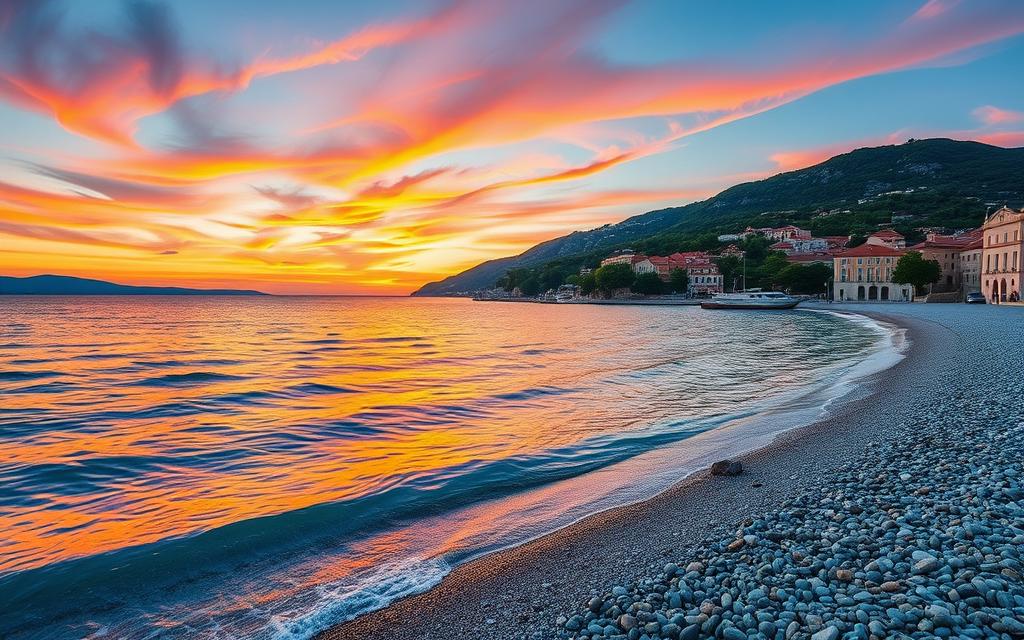
The Croatian coastline is known as one of the most stunning in the world. It has clear waters and beautiful beaches that attract many visitors. The Dalmatian coast has charming towns and islands with breathtaking views.
While exploring, you’ll find hidden coves, lively nightlife, and many water activities. These make your trip to Croatia even better.
Rich Historical Background
Croatia’s history is a mix of Roman, Venetian, and Ottoman influences. This is seen in its architecture, traditions, and local ways. As you walk through places like Dubrovnik and Split, you’ll see landmarks that tell stories of the past.
These landmarks let you dive into Croatia’s heritage, making your visit special.
Best Time to Visit Croatia
Choosing the right time for your Croatia trip can make a big difference. Croatia’s beauty shines in different seasons, each with its own charm.
Peak Tourist Season
The peak season runs from May to September. It draws crowds to places like Dubrovnik and Split. The weather is perfect for beach fun and outdoor activities.
Cultural festivals and events add to the local vibe. But, expect big crowds and higher prices.
Shoulder Seasons and Advantages
April and October are great if you want to avoid the crowds. The weather is mild, and you’ll find fewer tourists. This means you can explore at a slower pace and connect more with the culture.
Traveling in these months also means you might find better deals. You get to see Croatia in a more authentic way, away from the usual tourist rush.
Choosing Your Base: Where to Stay in Croatia
Choosing the right place to stay can make your trip to Croatia better. A central spot lets you easily visit amazing places and dive into the culture. Split is a great choice for those wanting to see Croatia’s beauty.
Split as a Central Base
Split is a perfect spot for your travels. It’s by the beautiful Adriatic coast, with a rich history and modern comforts. You can go on day trips to lovely towns like Trogir or see the beauty of Krka National Park from here. This makes Split great for travelers who want to explore freely during their Croatia trip.
Diverse Accommodation Options
You’ll find many places to stay in Split, no matter your budget or what you like. You can choose from luxury hotels to cozy hostels. Many places offer amazing sea views, making your stay even more special. Here are some options to consider:
| Accommodation Type | Price Range (per night) | Features |
|---|---|---|
| Luxury Hotels | $150 – $400 | Spa services, fine dining, sea view |
| Mid-range Hotels | $70 – $150 | Breakfast included, central location, comfortable amenities |
| Hostels | $20 – $60 | Shared rooms, budget-friendly, social atmosphere |
| Vacation Rentals | $50 – $200 | Home-like environment, kitchen facilities, varied sizes |
With so many choices, you’ll easily find the perfect place to stay. This way, you can enjoy your trip to Croatia to the fullest.

Croatia Travel Tips for First-Time Visitors
Getting ready for your trip to Croatia? Here are some key tips to make your visit better. Knowing what documents you need and how to communicate will make your trip smoother.
Essential Travel Documents
Make sure you have all your travel documents ready. A valid passport is a must for everyone. If you’re from outside the EU, you might need a visa for Croatia. It’s important to check the rules for your country since Croatia follows EU travel rules.
Language and Communication
In Croatia, the main language is Croatian, but many people also speak English, German, and Italian. You’ll find it easy to get around. Learning a few Croatian phrases can make your trip even better. It helps you connect with the locals and makes your visit unforgettable.
| Language | Common Phrases | Usage |
|---|---|---|
| English | Hello / Goodbye | General greetings |
| Croatian | Dobar dan (Good day) | Formal situations |
| Croatian | Hvala (Thank you) | Expressing gratitude |
| Croatian | Molim (Please) | Politeness in requests |
Transportation in Croatia
Getting around Croatia can make or break your trip. This guide will help you understand the best ways to travel. You’ll learn about different transport options to make your journey smooth.
Renting a Car versus Public Transport
Renting a car gives you the freedom to explore Croatia’s hidden spots. The coastal roads are beautiful and easy to drive on. But, public transport is also a great choice. Buses connect major places and are a budget-friendly way to travel.
Utilizing Buses and Ferries
Buses are a great way to see Croatia’s sights. They link many popular places. For island hopping, ferries are perfect. They go to places like Hvar and Korčula, offering beautiful sea views.
Uber and Taxi Options
In cities, Uber and taxis are easy to find. Taxis are reliable but can be pricey. Think about your budget and what you prefer when choosing.
| Mode of Transport | Pros | Cons |
|---|---|---|
| Car Rental | Flexibility, access to offbeat locations | Cost, parking availability |
| Buses | Affordable, extensive network | Less flexibility, schedules may vary |
| Ferries | Scenic routes, access to islands | Limited schedule, potential delays |
| Uber/Taxis | Convenient, no need for navigation | Higher cost, availability may vary |
Must-See Cities and Attractions
When planning your trip to Croatia, picking the right cities and attractions is key. Dubrovnik and Split are famous for their stunning architecture and culture. Don’t miss the natural beauty of Plitvice and Krka national parks. Coastal towns like Rovinj and Trogir add local charm and scenic views, making your trip diverse and fun.
Highlights of Dubrovnik and Split
Dubrovnik is known as the “Pearl of the Adriatic” for its beautiful city walls and old buildings. Walking through its streets, you’ll see shops, restaurants, and amazing views of the sea. Split is known for its huge Diocletian’s Palace, a UNESCO site at the city’s heart. It’s a place where ancient history meets modern Croatia, offering a unique experience.
National Parks: Plitvice and Krka
For nature lovers, Plitvice Lakes and Krka national parks are a must. Plitvice is known for its beautiful lakes and greenery, with many trails to explore. Krka has stunning waterfalls and places to swim, making it a hit with outdoor fans. These parks let you connect with Croatia’s nature, a big part of your trip.
Charming Coastal Towns
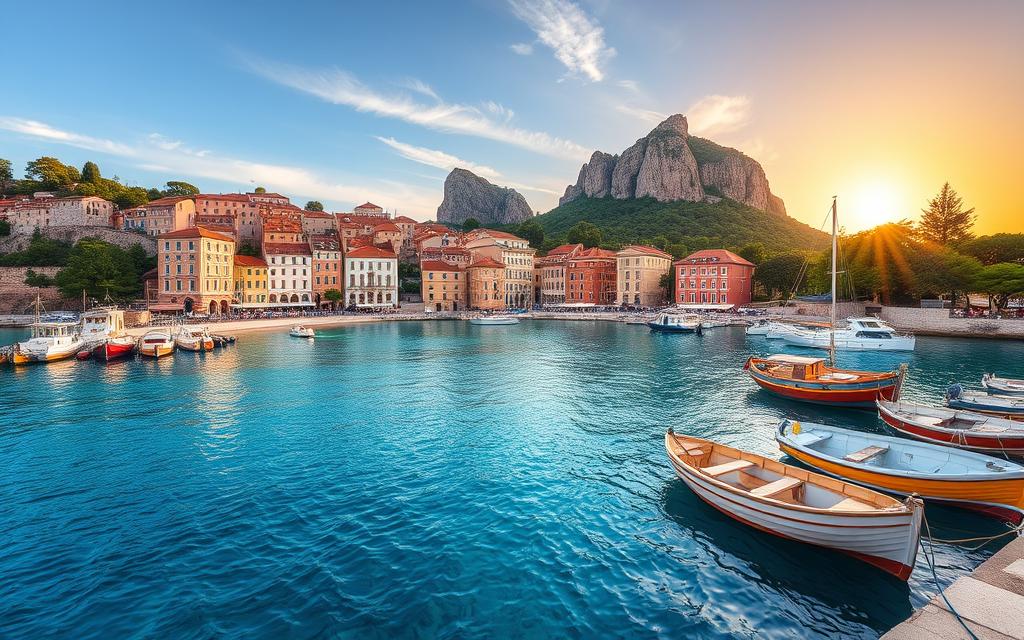
Along the coast, you’ll find towns like Rovinj and Trogir. Rovinj has a lovely old town with cobblestone streets and colorful buildings. Trogir is famous for its medieval architecture and is a UNESCO site. These towns add to your cultural experience, showing the variety of Croatia’s charm.
| City/Town | Key Attraction | Highlight |
|---|---|---|
| Dubrovnik | City Walls | Stunning views of the Adriatic |
| Split | Diocletian’s Palace | A UNESCO World Heritage Site |
| Plitvice Lakes | Cascading Lakes | Natural beauty and walking trails |
| Krka | Waterfalls | Swimming and scenic landscapes |
| Rovinj | Old Town | Cobblestone streets and vibrant architecture |
| Trogir | Medieval Architecture | Rich cultural heritage |
Croatia Travel Tips: Local Cuisine and Dining
Exploring the local cuisine in Croatia is a treat that shows off the nation’s rich food traditions. You’ll find a wide variety of dishes that reflect the country’s diverse cultures and histories. Seafood is a big deal, especially along the beautiful coast, where you can enjoy fresh catches every day. Make sure to try local specialties that show off the unique tastes of each area.
Exploring Regional Dishes and Specialties
Croatia has many regional dishes you must try. You’ll find everything from truffles in Istria to lamb on Brač Island. Don’t miss out on:
- Fresh seafood like sardines and octopus
- Risottos with local herbs and seafood
- Peka, a traditional dish of meat and vegetables cooked under a bell-shaped lid
Best Restaurants and Local Markets
You’ll find many dining options, from fancy restaurants to cozy bistros and casual spots. Local markets, like those in Zagreb and Split, are great for finding authentic ingredients and dishes. Check out:
- Konoba Pizana in Pula for traditional Istrian cuisine
- Restaurant 360 in Dubrovnik for stunning views and fine dining
- Dolac Market in Zagreb for fresh produce and local delicacies
Culture and Etiquette in Croatia
When planning your trip to Croatia, diving into the local customs makes your visit richer. It also helps you connect better with the locals. Croatians are very welcoming. They like it when visitors show interest in their traditions.
Understanding Local Customs
Getting to know the local ways is key to a great visit. Saying “Dobar dan” (Good day) when you greet is a nice start. Being polite at the dinner table is also important. Waiting for the host to start eating shows respect.
Joining in on local festivals is a great way to learn about Croatian traditions. Trying traditional foods or dancing with the locals can be very rewarding. These activities help you understand the country better.
Here’s a quick guide to important cultural practices:
| Practice | Description |
|---|---|
| Greeting | Use “Dobar dan” to greet locals, especially in a formal context. |
| Dining Etiquette | Wait for the host to start the meal and don’t begin eating before them. |
| Respect for Traditions | Participate in local festivals to gain insights into Croatian culture. |
| Punctuality | Arrive on time for invitations to show respect. |
| Gift Giving | Bring a small gift when invited to a local’s home. |
Conclusion
Traveling in Croatia is a unique adventure with stunning landscapes, rich history, and vibrant culture. You’ll find breathtaking coastlines, charming towns, and historical sites. This guide offers tips to make your trip enjoyable and memorable.
Imagine walking through Dubrovnik’s cobblestone streets or exploring Plitvice National Park’s serene lakes. Croatia is full of special moments waiting for you. Don’t forget to try the local food, stay in unique places, and respect the customs.
Plan well and use these travel tips to make your Croatia trip unforgettable. Whether you want to relax on the beach or dive into history, Croatia is ready to welcome you. Get ready for an extraordinary journey filled with amazing experiences.