Imagine the thrill of planning a family trip, only to be faced with the daunting task of preparing for an infant’s needs. As you stack up baby travel gear like diapers, clothes, and formula, it hits you—traveling with an infant is no small feat. Most airlines allow newborns to fly after just a few days, yet the American Academy of Pediatrics suggests waiting until your little one is around two months old for safer travel. After all, those early months can be hectic, filled with late-night feedings and diaper changes.
With careful planning and the right tips for travelling with infant, you can transform those travel jitters into excitement. Knowing what essentials to pack, how to handle airport security, and ways to keep your baby occupied are crucial elements that will ease your journey. By preparing well, you ensure that your adventure creates lasting memories rather than stress. In this article, we’ll guide you through everything you need to know to make your travels enjoyable for both you and your infant.
Key Takeaways
- Traveling with an infant requires thoughtful planning and essential packing.
- Safety during travel is paramount; consider obtaining an FAA-approved car seat for air travel.
- Maintain your baby’s feeding and sleep routines even when crossing time zones.
- Bring along infant travel essentials to ensure comfort during the journey.
- Keep entertainment options available to engage your baby throughout the trip.
- Consult with a healthcare provider before your trip for personalized travel advice.
- Don’t forget hand hygiene practices to minimize the risk of infections.
Understanding the Challenges of Traveling with an Infant
Traveling with a baby presents unique challenges that every parent should be prepared to face. Unpredictable schedules can lead to stress, especially when coordinating feedings, diaper changes, and nap times. Adjusting to a new environment while ensuring your baby remains comfortable is vital. Many parents worry about their infants disturbing other passengers or feel anxious about potential health risks during travel.
Air travel with infants can be particularly daunting. Early boarding is often advantageous for settling in, but with active toddlers, it can lead to additional challenges. Super traveler Sam Brown recommends that one adult boards early with bags, while the other adult engages the kids until the last moment. Understanding infant travel safety is key, especially when managing items like strollers at the airport.
When flying, feeding your baby during takeoff and landing can help ease ear pressure. Such adjustments to routines can make a significant difference in how your infant handles the flight. With different airlines having their own specific rules, parents must be well-informed about the policies governing flying with infants. Preparing ahead can help create a smoother traveling experience while keeping your baby’s best interests in mind.
Pre-Trip Preparations for Parents
Preparing for a trip with an infant involves meticulous planning. Starting with the right timing can make a significant difference in your travel experience. Consider scheduling flights during your baby’s usual nap times. This approach can help minimize stress and enable you to manage your journey more effectively. The next step involves booking flights and accommodations that cater to families. It’s important to secure arrangements that offer essential amenities such as cribs and easy access to baby-related services.
Choosing the Right Time to Travel
When selecting your travel dates, aim for times when your infant will be most comfortable. Off-peak travel periods and mid-week flights often mean fewer crowds and more attentive service. Avoid long layovers, which can be challenging for young children. Aim for direct flights when possible to reduce interruptions in your baby’s routine.
Booking Flights and Accommodations
When booking flights and accommodations, consider airline policies regarding infants. Approximately half of the airlines require parents to contact customer service to add a lap infant or book a seat. Most U.S. airlines permit family boarding as part of their pre-boarding policy, enabling a smoother transition on and off the plane. Airlines typically allow you to check a car seat and stroller at no extra charge, although this can vary with discounted or international carriers. Remember, it’s recommended to check if a bassinet is available on longer flights, as it can enhance comfort for both you and your baby.
Getting a Passport for Your Baby
If your travel involves crossing international borders, securing a passport for your baby is essential. Many families overlook this step, but applying for your infant’s passport early helps avoid last-minute stress. Keep in mind that most airlines might request a copy of the birth certificate for children under two, especially when flying to locations not requiring a passport. Prepare these documents well in advance to ensure a hassle-free departure.
| Category | Tip |
|---|---|
| Travel Timing | Choose flights during nap times. |
| Booking Flights | Contact customer service for lap infants as needed. |
| Family Boarding | Utilize family boarding options for ease. |
| Car Seats and Strollers | Check for free check-in policies. |
| Bassinet Availability | Inquire about bassinets for long-haul flights. |
| Documentation | Have a birth certificate ready if needed. |
Essential Packing List for Infant Travel
Packing for a trip with your infant requires careful consideration of various items that will ensure comfort and convenience. Having a well-organized packing list of infant travel essentials can make the journey much smoother. Here’s a guide to what you should bring along when traveling with your little one.
Must-Have Infant Travel Essentials
- Diapers and Wipes: Ensure you have enough for the duration of your trip, plus a few extras.
- Change of Clothes: Include outfits for both you and your baby for unforeseen messes.
- Feeding Supplies: Pack a portable feeding seat, bibs, reusable snack containers, and formula or breast milk in reasonable amounts.
- Health and Safety: Bring a first aid kit, along with any necessary medications for both you and your infant.
- Pack and Play or Travel Crib: Confirm access to safe sleeping arrangements at your destination.
- Clothing: Include weather-appropriate outfits, a jacket, and swimwear if necessary.
- Toys: Carry a few age-appropriate toys like board books and teething toys to keep your baby entertained.
Efficient Packing Strategies for Families
To optimize your packing, consider the following strategies:
- Use a single piece of checked luggage for the family of three to save on costs and streamline packing.
- Tailor the contents based on your destination’s climate and available facilities.
- Drawstring bags can help separate and organize various baby travel gear effectively.
- Take advantage of hotel amenities by planning to purchase items like diapers or baby food at your destination.
- Include Ziploc bags to contain dirty clothes and maintain organization throughout your travels.
| Item | Quantity | Reason |
|---|---|---|
| Diapers | 10-12 | For daily use and emergencies |
| Outfits | 5 | One for each day plus extras |
| Feeding Supplies | Varies | For feeding routines and snacks |
| First Aid Kit | 1 | For health emergencies |
| Toys | 2-3 | To keep baby engaged |
Being proactive with your packing list will facilitate a stress-free journey, allowing you to focus on enjoying your time away with your infant.
Tips for Traveling with Infant: Safety First
When embarking on a journey with an infant, infant travel safety should always be your top priority. Each stage of the trip presents unique challenges that require careful planning. Begin by ensuring that all baby travel gear, such as car seats and strollers, meets current safety standards.
Preparation is crucial. Familiarize yourself with the airline’s policies regarding the transportation of infants. This includes understanding seat selection guidelines in accordance with FAA regulations for car seats. Although some airlines allow infants to travel on a parent’s lap, using a properly secured safety seat is considered safer.
Be ready for emergencies by packing a well-stocked first-aid kit that includes essentials for minor injuries. Knowledge of your destination is also critical; know where the nearest medical facilities are in case of unexpected health issues. Preventing the spread of germs during travel is vital since infants have developing immune systems. Regular hand washing is recommended, especially after touching public surfaces.
Keeping your baby comfortable is essential for a smooth trip. Adjust feeding times to coincide with takeoff and landing, helping to ease ear discomfort caused by altitude changes. During travel, it’s important to ensure your baby stays hydrated, particularly in the dry atmosphere of an airplane cabin.
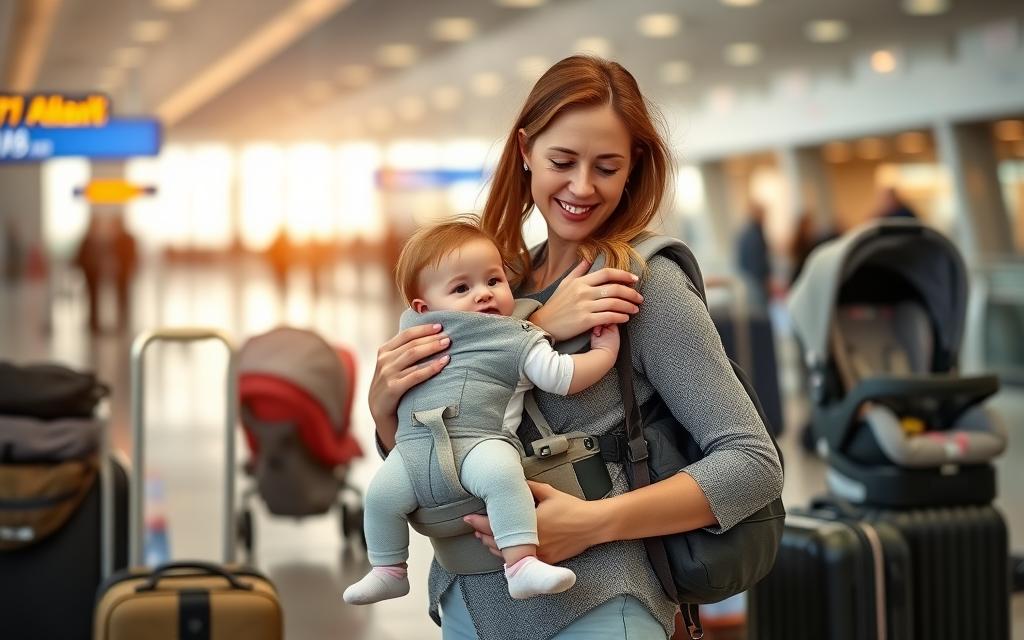
By focusing on infant travel safety and taking proactive measures, you can create a safer and more enjoyable travel experience for both you and your baby. Plan ahead and remain aware of your surroundings to ensure a smooth journey. Always have a backup plan for any travel disruptions or health concerns that may arise during your trip.
Navigating Air Travel with a Baby
Navigating air travel with a baby can feel overwhelming, but careful planning can ease the process significantly. Understanding the policies of various airlines regarding flying with a baby is crucial. Many airlines do not have a minimum age requirement for travel. Some welcome infants as young as two or three days old. Generally, babies under two years old can travel for free as lap infants on their parent’s ticket. It’s vital to ensure that your child’s safety is prioritized, as unrestrained children are often the leading cause of pediatric injuries on airplanes.
Tips for Flying with a Baby
When preparing for your flight, consider the following tips:
- Book flights that align with your baby’s nap schedule to increase the chances of a smooth journey.
- Keep essential items easily accessible during the flight, such as diapers, wipes, and extra clothing.
- Prepare a birth certificate if your baby appears close to two years old to verify age for free flight eligibility.
- Most airlines allow families to check lightweight strollers before boarding or at the gate.
Making the Most of Airport Amenities
Utilizing airport amenities can enhance your travel experience:
- Arrive at the airport early to take advantage of family restrooms and lactation rooms for feeding and changing.
- Engage with flight crew members; they often provide helpful tips and support tailored to families flying with a baby.
- Take advantage of TSA’s allowance of baby formula and food as medically necessary items, exempting them from the usual liquid restrictions.
- Familiarize yourself with your airline’s baggage policies as they can vary, especially for families traveling with infants.
By keeping these tips in mind and leveraging airport amenities, you can make your air travel experience with your baby more enjoyable and manageable.
Road Trips with Babies: Making it Enjoyable
Embarking on road trips with babies can be a rewarding adventure, providing families the freedom to explore at their own pace. Preparing appropriately ensures a smoother experience for everyone involved. It’s essential to plan for several stops along the way to accommodate diaper changes, feedings, and stretching little legs.
Planning for Stops and Breaks
Planning frequent stops is crucial during road trips with babies. Aim for breaks every 1-3 hours, depending on your baby’s needs. This strategy allows your child to stretch, play, and get a fresh diaper. Consider scheduling your travel around your baby’s naps; starting the drive around 30 minutes before a nap can make the trip more enjoyable for both you and your little one.
Keeping Baby Comfortable During the Drive
Comfort plays a vital role in how babies fare during road trips. Ensure the car seat is set up correctly, and maintain a comfortable temperature inside the vehicle. Keep essential items like snacks, bottles, and toys easily accessible. Stock up on baby wipes as they serve multiple purposes, from cleaning hands to quick diaper changes. Creating a calm environment with familiar music can help soothe your baby throughout the journey.
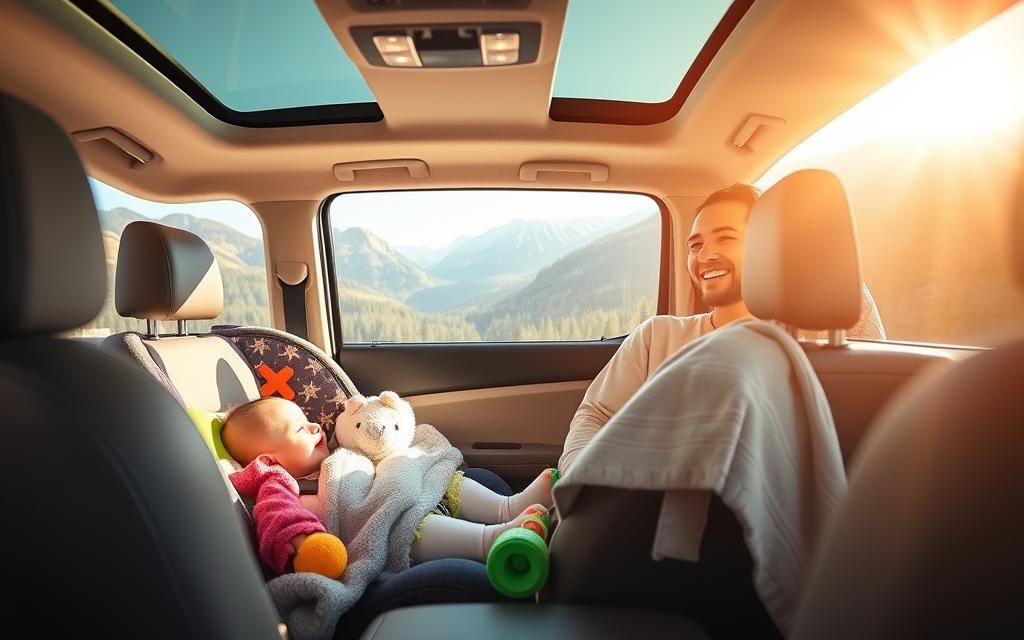
Don’t forget to prepare for entertainment by packing extra toys and loading up on options that your baby enjoys. It’s common to rotate toys or introduce new ones to keep your little one engaged. Taking steps to create a restful space for napping during the drive will allow your baby to recharge, making the overall experience much better for everyone involved in these road trips with babies.
Strategies for Breastfeeding While Traveling
Traveling with an infant presents unique challenges, particularly when it comes to breastfeeding while traveling. It remains a practical solution, providing comfort to your baby and reducing the need for extra baby paraphernalia. It is essential to plan ahead to ensure breastfeeding is as seamless as possible.
While babies under six months do not require additional water or liquids, even in hot weather, it is useful to express breast milk in advance for times when you may be apart from your baby. Freshly expressed milk can be transported in an insulated cooler bag with frozen ice packs, allowing it to stay fresh for up to 24 hours, ensuring that your baby always has access to your milk.
Consider the following strategies to make breastfeeding while traveling easier:
- Familiarize yourself with the Friendly Airports for Mothers (FAM) Act and its Improvement Act, which mandate private, non-bathroom spaces in all terminal buildings for breast milk expression.
- Take note that expressed milk and related feeding items are exempt from TSA regulations in the United States, facilitating smoother travel.
- Many mothers find it easier to breastfeed directly rather than using a bottle when traveling, which can provide a more comfortable solution for both you and your baby.
The following table highlights some key statistics regarding breastfeeding while traveling:
| Statistic | Percentage |
|---|---|
| Moms who prefer breastfeeding directly while traveling | 65% |
| Moms who express milk or use hand expression | 45% |
| Moms using nursing covers or bras | 55% |
| Moms who breastfeed during flight takeoff and landing | 50% |
Being equipped with knowledge about breastfeeding rights in public, as well as understanding your employer’s support regarding pumping at work, can significantly empower you. With preparation and awareness, breastfeeding while traveling can become a manageable and fulfilling experience.
Keeping Baby Entertained on Trips
When traveling with an infant, keeping baby entertained on trips is essential for a smooth journey. Engaging your baby helps reduce restlessness and anxiety during lengthy travels. You can prepare by packing a variety of items aimed at capturing their interest, ensuring comfort and fun during the ride.
Plan for activities and entertainment that can easily be included in your trip. Consider these options:
- Toys that are lightweight and easy to grab.
- Books with bright illustrations and textures.
- Interactive games that engage your baby’s senses.
For instance, during a recent road trip covering 3,000 miles, parents found it helpful to sync their driving stretches with the baby’s naptime. This strategy allowed the 11-month-old baby to rest while the family made the most of their travel time. Shorts stops every 90 minutes for activities like eating, stretching, and changing ensured the baby remained energized.
The family utilized products such as a stackable snack organizer and a portable diaper changing pad for convenience. These items played a significant role in maintaining a comfortable and enjoyable atmosphere. Another useful tool was a nightly light projector, which provided soothing visuals during evenings in the Camp Guava Lotus travel crib.
Planning for your baby’s snacking habits is also crucial. Easy, mess-free snacks like organic tomato sticks can keep your baby fueled and engaged. Addressing the baby’s cleanliness needs is vital. Products that assist with cleanup can make the trip more enjoyable for everyone.

Making thoughtful considerations for entertainment and comfort truly enhances the travel experience. Remembering to provide breaks, snacks, and engaging activities will keep baby entertained on trips and help create lasting memories for the whole family.
Managing Infant Sleep While Traveling
Traveling with an infant often raises concerns about sleep routines. Maintaining a consistent sleep schedule is crucial for keeping your baby rested and happy during trips. Parents frequently worry about how to manage their child’s sleep patterns while away from home, leading some to contemplate canceling plans altogether. Fortunately, there are effective infant travel sleep tips that can help ease these worries and ensure a smooth traveling experience.
Infant Travel Sleep Tips
Before embarking on your journey, focus on ensuring your baby is well-rested. A lack of adequate sleep can result in irritability and fussiness, affecting the overall travel experience. Consider the following tips to create a sleep-friendly environment:
- Replicate your baby’s sleep environment. Bring familiar items such as blankets, pacifiers, crib sheets, and blackout curtains to help recreate a cozy space.
- Establish a consistent bedtime routine even in new locations. This can be bath time, a bedtime story, or soft music to signal that it’s time to sleep.
- Plan for at least one good nap each day during your trip. Use hotel accommodations that allow for a comfortable nap space.
- Adjust your baby’s sleep schedule ahead of time, especially for longer trips across time zones. Gradually altering bedtime can ease the adjustment.
- Keep an eye on environmental factors; exposure to natural light can help regulate circadian rhythms. Make the most of daylight when possible.
- Monitor for signs of jet lag, as it can impact your baby’s sleep differently than adults. Be prepared for possible disruptions.
Lastly, upon returning from your trip, you may find it helpful to revert to your regular sleep routine to readjust your baby’s sleep patterns. Developing strong sleep habits is essential for babies, especially when they encounter the newness of travel. Following these infant travel sleep tips will enhance not only your baby’s comfort but your family’s overall travel experience as well.
| Tip | Description |
|---|---|
| Pre-Travel Sleep Preparation | Ensure your baby is well-rested before leaving to avoid sleep deficits. |
| Replicating Sleep Environment | Pack familiar items to create a comforting sleep setting. |
| Consistent Bedtime Routine | Maintain established bedtime practices even when traveling. |
| Daytime Naps | Secure at least one solid nap each day during your travels. |
| Time Zone Adjustments | Adjust sleep schedules gradually to adapt to new time zones. |
| Post-Travel Routine | Revert to normal sleep routines after returning home. |
Addressing Baby Jet Lag: Tips for Parents
Traveling with a baby introduces the challenge of managing baby jet lag. This phenomenon affects infants similarly to adults, often resulting in disrupted sleep and irritability. To minimize these effects, gradual adjustments are essential. Begin shifting your baby’s schedule in one or two-hour increments a few days before your trip. This strategy will help ease the transition into a new time zone.
Upon arrival, natural light exposure plays a vital role in resetting the internal clock. Try to ensure your baby sees sunlight soon after waking up, signaling that it’s morning. For significant time changes, it may take 2-3 days for your little one to adjust fully. For an 8-hour difference, this is especially crucial.
If you land during the morning, limit nap times to what they typically experience at home. Aim for an early bedtime around 6 PM to promote a solid night’s sleep. Maintaining a consistent morning wake-up time aids in reinforcing better sleep habits for your baby.
- Offer snacks and liquids frequently to keep your baby hydrated during flights.
- Choose protein and fat-rich snacks like yogurt, cheese, and nut butters for night awakenings instead of sugary options.
- Keep familiar sleep associations, such as a favorite blanket or toy, to help comfort your baby while adjusting.
- Be attentive to babies under three months by checking their sleep needs every 1.5 to 2 hours.
- For nighttime flights, allow your baby to nap more easily throughout the journey.
As your baby begins adjusting, their normal sleep patterns will eventually resume. Keeping track of meal times can help stabilize sleep during this period. Remember, baby jet lag can span from a few days to a week, so patience is vital. With effective strategies and careful planning, you can make the transition smoother for your baby and yourself.
Conclusion
Traveling with an infant requires a holistic approach that encompasses careful planning, efficient packing, and prioritizing safety and comfort. Understanding the unique needs of your baby, from sleep schedules to essential items, is vital to ensure a positive traveling experience. By following the previous tips for travelling with infant, you can create an environment that accommodates both your and your baby’s needs.
Flexibility is key; you’ll want to adapt your plans as necessary. You may find yourself dealing with unplanned stops or delays, but maintaining a positive outlook will help minimize stress for both you and your little one. Remember that while infants are generally easier to travel with than toddlers, dedicated care during your journey can make all the difference.
With the right mindset and preparation, traveling with an infant can be a rewarding adventure filled with precious memories. Prioritize safety, pack wisely, and embrace the journey to make each trip enjoyable for your family. With these tips for travelling with infant in mind, you’ll be well on your way to making your next travel experience successful.