Picture this: you’re strolling along the cobblestone streets of Paris, the Eiffel Tower gleaming in the distance, savoring a warm croissant from a quaint bakery. The aroma of freshly brewed coffee fills the air, and the sound of laughter surrounds you. Europe has a magical way of captivating your senses and stirring your wanderlust like no other place on earth.
But planning your first trip to Europe can feel overwhelming. With so many countries, cities, and attractions to choose from, where do you even begin? That’s where we come in. We’ve curated a collection of insider tips and expert advice to help you navigate the Old Continent like a seasoned traveler.
Key Takeaways:
- Plan your trip around the best time to visit each destination.
- Determine the duration of your trip based on your travel preferences and available time.
- Select your destinations wisely, focusing on your personal interests and must-see places.
- Avoid overdoing it and trying to visit too many countries in a short period.
- Create a well-balanced itinerary that allows for exploration and relaxation.
Deciding When to Travel
The time of year you choose to travel to Europe can greatly impact your experience. It’s important to consider the weather and climate in each destination during different seasons to make the most of your trip. Some places are best visited in the summer, offering outdoor activities and vibrant festivals, while others may be more enjoyable in the cooler months, with fewer tourists and a peaceful ambiance.
Avoid traveling during the peak summer season and major holidays, as prices tend to be higher, and popular attractions can be overcrowded. Instead, opt for shoulder seasons, like spring and autumn when the weather is pleasant, and there are fewer crowds. Moreover, some destinations have their own peak seasons, such as Christmas Markets in Germany or Venice during the Carnival, so it’s worth researching these events to align your visit with unique experiences.
When considering the best time to travel, consult a weather guide to understand the climate of each destination and how it aligns with your preferences. Here’s a table showcasing the weather and average temperatures in popular European cities during different seasons:
| City | Spring | Summer | Autumn | Winter | ||||||||
|---|---|---|---|---|---|---|---|---|---|---|---|---|
| Mar | Apr | May | Jun | Jul | Aug | Sep | Oct | Nov | Dec | Jan | Feb | |
| London | 9°C | 11°C | 14°C | 17°C | 20°C | 22°C | 18°C | 14°C | 10°C | 7°C | 5°C | 4°C |
| Paris | 9°C | 12°C | 15°C | 18°C | 21°C | 25°C | 19°C | 15°C | 11°C | 7°C | 6°C | 6°C |
| Rome | 12°C | 14°C | 17°C | 21°C | 26°C | 30°C | 24°C | 20°C | 16°C | 12°C | 9°C | 8°C |
Remember that weather patterns can vary from year to year, so it’s advisable to check the most up-to-date forecast before your trip. By considering the best time to visit each place on your itinerary, you can tailor your travel plans to the weather and ensure an enjoyable and comfortable experience.
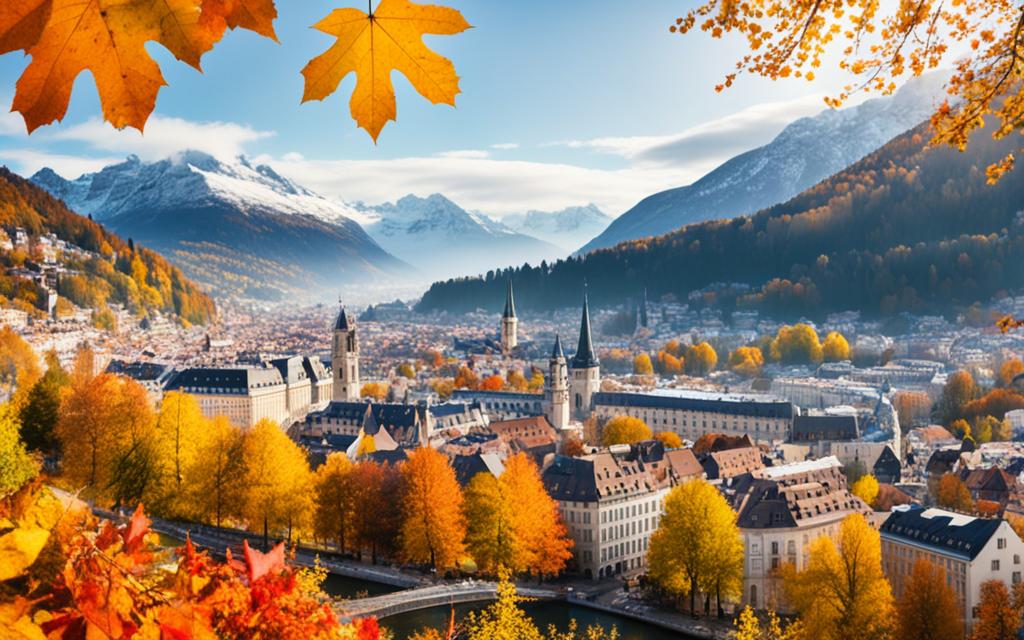
To provide a visual reference, here is an image showcasing the stunning landscape of Europe during different seasons:
Determining the Duration of Your Trip
When planning your European adventure, it’s essential to consider the duration of your trip. The amount of time you have available and your travel preferences will greatly influence the ideal duration for your European journey. While a two-week trip is a great starting point for first-time visitors, allowing you to explore multiple cities without feeling rushed, longer trips of three to four weeks will give you the opportunity to cover more ground and experience more of what Europe has to offer.
Remember, it’s important to set realistic expectations and understand that you won’t be able to see everything in one trip. Instead, focus on your priorities and make the most of your time in each destination. Whether you’re a history buff exploring the ancient ruins of Rome or a nature lover hiking through the stunning landscapes of the Swiss Alps, tailoring your trip to your interests and passions will ensure a truly unforgettable experience.
To help you plan your European adventure, here are some factors to consider when determining the ideal duration for your trip:
- Interests and Activities: Consider the specific attractions and activities you want to experience in Europe. Are you interested in visiting world-renowned museums in Paris? Or perhaps you’re keen on exploring the picturesque villages along the Amalfi Coast. Tailor the duration of your trip to allow ample time for the activities that align with your interests.
- Destinations: Think about the number of destinations you want to visit in Europe. Remember, less is often more. Instead of rushing through multiple cities, focus on a few key destinations and immerse yourself in the culture, history, and beauty of each place.
- Travel Pace: Consider your preferred travel pace. Some travelers enjoy a slower pace, allowing for more relaxed exploration and the opportunity to immerse themselves in the local culture. Others prefer a faster pace, maximizing their time by visiting multiple destinations in a shorter period. Determine your travel style and plan accordingly.
Ultimately, the ideal duration for a European trip is subjective and depends on your individual travel preferences. It’s not just the length of your trip that matters but how you plan and utilize your time. Whether you have two weeks or a month, with careful planning and prioritization, you can create an itinerary that allows you to make the most of your European adventure.
So, take some time to reflect on your desires, create a travel plan that aligns with your interests, and prepare for an unforgettable journey through the diverse wonders of Europe.

The table illustrates the suggested duration based on specific travel preferences:
| Travel Preference | Ideal Duration |
|---|---|
| First-Time Visitors | 2 weeks |
| Explorers and Adventurers | 3-4 weeks |
| Slow Travel Enthusiasts | 4-6 weeks |
Choosing Your Destinations
Europe offers an abundance of top destinations that cater to every traveler’s taste. Whether you’re drawn to vibrant cities, charming towns, or breathtaking natural landscapes, there’s something for everyone. When selecting places to visit in Europe, it’s important to consider your personal interests and preferences, as well as the location and season. By creating a well-rounded itinerary, you can make the most of your European adventure and tailor it to your unique desires.
How to Choose Your Destinations
Start by making a list of your dream destinations in Europe. Consider the attractions, cultural experiences, and historical sites that appeal to you. Research their locations and the best time to visit each place. Keep in mind that some destinations may be more crowded during peak seasons, so plan accordingly if you prefer a quieter experience.
To ensure a diverse and fulfilling journey, aim for a mix of major cities, smaller towns, and nature destinations. This will provide you with a well-rounded perspective of Europe’s offerings. While iconic cities like Paris, Rome, and Barcelona have their undeniable charm, don’t overlook the smaller gems that showcase authentic local culture and traditions.
Here’s a table showcasing a selection of top European destinations:
| City | Country | Notable Attractions |
|---|---|---|
| Paris | France | Eiffel Tower, Louvre Museum, Notre-Dame Cathedral |
| Rome | Italy | Colosseum, Vatican City, Trevi Fountain |
| Barcelona | Spain | Sagrada Familia, Park Güell, Gothic Quarter |
| Amsterdam | Netherlands | Canal cruises, Van Gogh Museum, Anne Frank House |
| Prague | Czech Republic | Charles Bridge, Prague Castle, Old Town Square |
Remember, it’s not necessary to visit all the popular tourist spots if they don’t align with your interests. Prioritize the destinations that truly resonate with you and integrate them into your itinerary. This will allow you to fully immerse yourself in the places that captivate your imagination.
By carefully selecting your destinations, you can create a personalized itinerary that caters to your individual preferences. Whether you’re exploring the iconic landmarks of major cities or uncovering hidden gems in charming towns, your European adventure will be an unforgettable journey.
Avoid Overdoing It
When you set foot in Europe, it’s easy to get caught up in the excitement of exploring new places and experiencing different cultures. However, it’s important to remember that travel burnout is a real thing—rushing from one city to another and jam-packing your itinerary can leave you exhausted, stressed, and unable to fully appreciate the wonders around you.
Instead of trying to tick off every item on your European bucket list, focus on quality over quantity. Choose a few key destinations that truly resonate with you and give yourself enough time to fully immerse yourself in the local culture and explore the attractions at a leisurely pace. By taking a more relaxed approach, you’ll have the opportunity to create meaningful memories and connections that will stay with you long after you’ve returned home.
Be realistic about what you can accomplish in the time you have available. It’s better to thoroughly enjoy a handful of destinations than to rush through a dozen without truly experiencing them. Prioritize the experiences that matter most to you and let go of the fear of missing out on something. Remember, your journey is unique and personal—it’s not about checking off items on a list, but about making the most of your time in Europe and creating memories that will last a lifetime.
Creating an Itinerary
Now that you’ve selected your destinations, it’s time to embark on the exciting task of creating a detailed itinerary for your European adventure. A well-planned itinerary will ensure that you make the most of your time in Europe and maximize your travel experiences. Follow these steps to craft an itinerary that caters to your interests while allowing for flexibility and spontaneity.
Logistics and Transportation
Consider the logistics of transportation and plan the most efficient route between cities. Research the available modes of transportation and choose the ones that best suit your needs and preferences. Whether it’s trains, buses, or flights, be sure to take into account travel times, costs, and convenience. By optimizing your transportation choices, you can save time and ensure a smoother journey.
Must-See Attractions and Experiences
Research and compile a list of the must-see attractions and experiences in each destination on your itinerary. Prioritize the ones that align with your interests and passions. Whether it’s visiting world-renowned museums, exploring historical landmarks, or indulging in delicious local cuisine, make sure to allocate enough time to fully immerse yourself in each experience. Remember, quality over quantity is the key to creating unforgettable memories.
Flexibility and Spontaneity
While it’s important to have a general plan, be open to changes and embrace the unexpected. Leave room in your itinerary for spontaneous discoveries and serendipitous encounters. Explore the local recommendations, follow your instincts, and allow yourself to deviate from the original plan when something captures your interest. It’s in these unplanned moments that some of the most cherished memories are made.
Prioritize Your Interests
When crafting your itinerary, prioritize the activities and sights that resonate with you the most. If art is your passion, allocate more time for museums and galleries. If you’re a nature enthusiast, dedicate ample days for hiking trails and exploring natural wonders. By tailoring your itinerary to your unique interests, you’ll ensure a more fulfilling and enriching experience.
Remember, your European journey is about savoring every moment and immersing yourself in the rich tapestry of cultures and landscapes. The itinerary serves as a guide, not a rigid schedule. Be present, embrace the unexpected, and make the most of your time in Europe.
Navigating Europe’s Diverse Climates
Europe is known for its diverse climates, offering everything from balmy summers to chilly winters. When planning your trip to Europe, it’s essential to consider the weather in each destination and pack accordingly.
One of the key strategies for tackling Europe’s varying temperatures is layering. By having versatile clothing pieces, you can easily adapt to different weather conditions throughout your journey. Pack items that can be layered, such as shirts, sweaters, and jackets, so you can add or remove layers as needed.
To ensure you are fully prepared for the specific weather patterns in each place on your itinerary, it’s crucial to do some research. Check the average temperatures and precipitation levels for each destination during your travel dates. This will help you determine the appropriate clothing and accessories to bring.
When it comes to packing essentials for Europe, there are a few key items you shouldn’t forget. Comfortable shoes are a must, as you’ll likely be doing a lot of walking and exploring. Additionally, pack a compact umbrella or a lightweight raincoat to stay dry during unexpected showers.
Don’t forget to protect your skin from the sun’s rays, especially during the summer months. Pack sunscreen with a high SPF and a wide-brimmed hat to shield your face from the sun.
Overall, it’s crucial to be prepared for all types of weather in Europe. By packing the right essentials and dressing in layers, you can comfortably navigate the diverse climates and enjoy your European adventure.
| Essential Packing Items for Europe | Weather Conditions |
|---|---|
| Comfortable shoes | Walking and exploring |
| Layered clothing | Varying temperatures |
| Compact umbrella or lightweight raincoat | Unexpected showers |
| Sunscreen with high SPF | Protecting from the sun |
Tips for Navigating Europe’s Diverse Climates
- Research the weather conditions for each destination on your itinerary to ensure you pack appropriately.
- Choose clothing items that can be layered to easily adjust to changing temperatures.
- Don’t forget to pack comfortable shoes for walking and exploring.
- Bring a compact umbrella or lightweight raincoat to stay dry during unexpected showers.
- Protect your skin from the sun with sunscreen and a wide-brimmed hat.
Conclusion
Planning a trip to Europe can be overwhelming, but with careful consideration and preparation, you can have an unforgettable experience. Start by deciding when to travel and consider the best time for each destination. Determine the duration of your trip and choose your destinations wisely based on your interests and preferences. Avoid overdoing it and create a well-balanced itinerary that allows for exploration and relaxation. Pack accordingly for the diverse European climates and be prepared for different weather conditions. With these travel tips for Europe, you can navigate the Old Continent with confidence and enhance your journey.
By taking the time to plan and prepare, you can make the most of your adventure in Europe. Consider the seasons and weather for each destination, ensuring you have the appropriate clothing and gear. Decide on the duration of your trip, allowing enough time to fully immerse yourself in each place. Choose your destinations based on your interests and create a flexible itinerary that allows for spontaneity. Remember to prioritize quality over quantity and savor the experiences along the way. With these final thoughts on planning a trip to Europe, you’ll be well-equipped to embark on an incredible journey filled with lifelong memories.
So, whether you’re exploring the iconic landmarks of Paris, savoring gelato in Rome, or hiking the scenic trails of the Swiss Alps, Europe offers endless possibilities for every traveler. Embrace the diverse cultures, cuisines, and landscapes, and let the Old Continent captivate your senses. With the right travel tips and thoughtful planning, your trip to Europe will be a dream come true. Bon voyage!