Imagine standing in front of a cascading waterfall, feeling the mist on your face as the sheer force of nature takes your breath away. Or picture yourself gazing up at the dancing lights of the Northern Lights, painting the sky with ethereal hues. This is Iceland, a place where fire meets ice, where every corner of the landscape holds a new marvel and a new adventure.
As someone who has had the privilege of exploring the wonders of Iceland, I can attest that this country has a way of capturing your heart and igniting a sense of wanderlust unlike anywhere else. From the vibrant city of Reykjavik to the untamed wilderness of its national parks, Iceland is a destination that promises beauty, excitement, and serenity all at once.
But before embarking on your own Icelandic adventure, it’s essential to be prepared. From knowing the best time to visit to understanding the unique customs and etiquette, there are several travel tips that can make your journey even more extraordinary. In this article, we will delve into everything you need to know to have an epic adventure in the Land of Fire and Ice.
Key Takeaways:
- Plan your trip to Iceland to coincide with the best time to see the Northern Lights.
- Pack appropriate clothing layers for Iceland’s unpredictable weather.
- Include must-see sites such as the Blue Lagoon and the famous Golden Circle in your itinerary.
- Learn about the unique Icelandic cuisine and dining experiences.
- Familiarize yourself with sustainable travel practices and cultural norms.
Best Time to Visit Iceland: Seasons and Natural Wonders
Iceland, known as the Land of Fire and Ice, beckons travelers with its stunning natural wonders and unique experiences. To make the most of your trip, it’s important to understand the best time to visit and what to expect during each season. Whether you dream of witnessing the mystical Northern Lights, exploring the iconic Ring Road, or immersing yourself in the soothing hot springs and geothermal pools, Iceland offers something extraordinary for every adventurer.
Summer: June to August
During the summer months, Iceland welcomes longer days and milder temperatures, creating the perfect environment for outdoor exploration and adventure. With approximately 24 hours of daylight, you’ll have plenty of time to embark on hikes, witness breathtaking waterfalls, and marvel at the diverse wildlife that calls Iceland home. Summer is also the ideal time for traversing Iceland’s famed Ring Road, a 1,332-kilometer route that takes you through the country’s most picturesque landscapes.
Winter: December to March
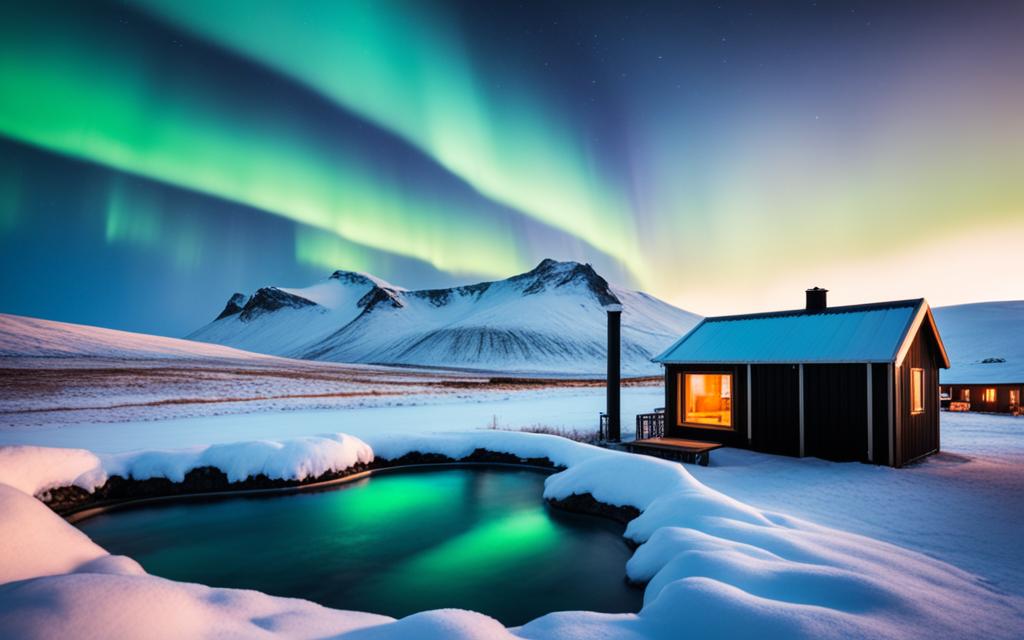
Winter in Iceland is a magical time, especially for those seeking an enchanting display of the Northern Lights. With extended periods of darkness, the aurora borealis dances across the night sky, painting vivid colors against the backdrop of snow-covered landscapes. It is a truly mesmerizing sight. Winter in Iceland also offers opportunities for thrilling winter sports, such as skiing and snowboarding. Be sure to pack your warmest attire and embrace the chilly temperatures for an unforgettable experience.
Packing for Iceland’s Unpredictable Weather
Iceland’s weather is famously unpredictable, with the potential for rapid changes throughout the day. To stay comfortable and prepared, it’s essential to pack appropriate clothing layers that can be easily added or removed. Here’s a helpful packing checklist:
- Thermal base layers
- Insulating mid-layers
- Waterproof and windproof outerwear
- Sturdy and waterproof hiking boots
- Warm accessories: hats, gloves, scarves
Exploring Iceland’s Natural Wonders
Immerse yourself in Iceland’s stunning natural wonders, including its world-renowned hot springs and geothermal pools. These geothermal areas not only offer a chance to unwind and relax but also provide unique insights into Iceland’s geological marvels.
When visiting these natural attractions, it’s important to follow local guidelines and respect the environment. Here are some tips for enjoying Iceland’s hot springs and geothermal pools responsibly:
- Always stay on designated paths and boardwalks
- Do not disturb or remove any natural elements
- Do not enter restricted areas for your safety
- Respect the tranquility of the surroundings and fellow visitors
Additionally, Iceland is home to a diverse array of wildlife. To ensure their protection and conservation, follow these wildlife watching guidelines:
- Observe animals from a safe distance to avoid causing stress
- Do not feed or approach wild animals
- Respect animal habitats and nesting areas
- Learn about the native species to appreciate their presence
| Season | Highlights |
|---|---|
| Summer | – Mild temperatures and extended daylight hours – Opportunities for hiking and wildlife watching – Ideal for exploring Iceland’s Ring Road |
| Winter | – Best time to witness the Northern Lights – Winter sports activities – Scenic snow-covered landscapes |
Whether you choose to visit Iceland in summer or winter, the country’s natural wonders and unique experiences will leave you in awe. From chasing the dancing lights of the Northern Lights to navigating the majestic Ring Road, Iceland offers a world of adventure and discovery.
Planning Your Iceland Itinerary: Must-See Sites and Activities
To make the most of your time in Iceland, it’s important to plan your itinerary carefully. Here are some essential elements to include in your Iceland travel plans:
Must-See Sites
When visiting Iceland, there are several iconic destinations that you shouldn’t miss:
- The Blue Lagoon: Experience the rejuvenating powers of these geothermal hot springs, known for their stunning blue waters.
- Reykjavik: Explore the vibrant capital city, with its colorful architecture, unique art scene, and bustling nightlife.
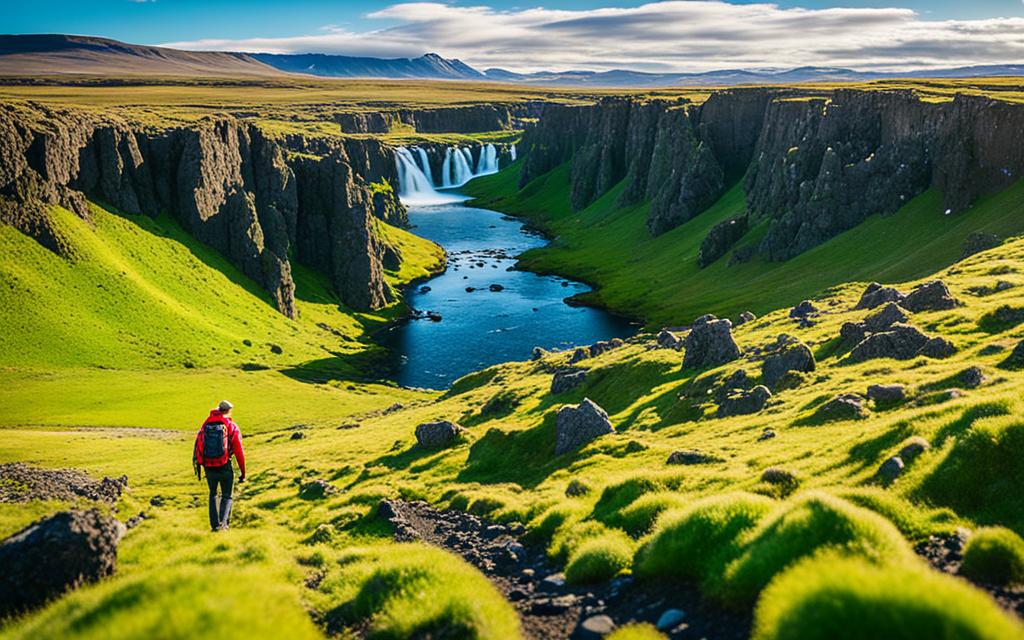
- The Golden Circle: Discover the breathtaking Gullfoss waterfall and experience the geothermal activity at the geysers.
Icelandic Cuisine and Dining
Icelandic cuisine is a must-try during your trip. From traditional dishes like fermented shark to delicious seafood specialties, you’ll have a unique culinary experience. Make sure to explore local restaurants and cafes to savor the flavors of Iceland.
Budgeting for Your Iceland Trip
It’s important to consider your budget when planning your trip to Iceland. Keep in mind that Iceland can be an expensive destination, especially when it comes to accommodation, dining, and activities. Plan your expenses accordingly and look for budget-friendly options to make the most of your trip without breaking the bank.
Sustainable Travel Practices
When traveling in Iceland, it’s important to be mindful of sustainable travel practices. Minimize waste, support local businesses, and follow eco-friendly guidelines to help preserve the natural environment of this beautiful country for future generations.
Exploring Iceland’s National Parks
Iceland is home to several stunning national parks, each offering unique landscapes and outdoor adventures. Take the time to explore these natural wonders, hike through breathtaking trails, and marvel at the incredible diversity of Icelandic flora and fauna.
Safety Tips for Outdoor Adventures
While enjoying outdoor activities in Iceland, prioritize safety and follow local guidelines. Be aware of potential hazards, weather conditions, and always let someone know about your plans. Whether you’re hiking, camping, or engaging in water sports, take precautions to ensure a safe and enjoyable experience.
Cultural Norms and Etiquette
Respect for cultural norms and etiquette is essential when visiting Iceland. This includes showing reverence for the natural environment, following designated paths and trails, and respecting local customs and traditions. By being mindful of these cultural norms, you can create a harmonious and meaningful connection with the people and places you encounter.
Summary
Planning your Iceland itinerary requires careful consideration of must-see sites, budgeting, sustainable practices, safety precautions, and cultural norms. By including these elements in your travel plans, you can ensure a memorable and well-rounded experience in the Land of Fire and Ice.
Where to Stay in Iceland: Accommodation Options
When planning your trip to Iceland, finding the right accommodation is crucial for a memorable and comfortable stay. Whether you prefer the vibrant city life or the tranquility of the countryside, Iceland offers a wide range of accommodation options that suit every traveler’s preferences.
City Accommodation in Reykjavik
If you’re looking to experience the lively atmosphere of Iceland’s capital, Reykjavik, you’ll find a variety of hotels, guesthouses, and Airbnb rentals. From cozy budget accommodations to luxury hotels, there’s something to fit every travel style and budget. Staying in Reykjavik allows easy access to the city’s cultural attractions, vibrant nightlife, and delicious dining options.
Countryside Retreats
For those seeking a more immersive experience in Iceland’s natural beauty, the countryside offers a range of accommodation options. Picture yourself waking up in a cozy cottage surrounded by breathtaking landscapes or indulging in the luxury of a remote resort nestled in untouched wilderness.
| Accommodation Option | Description |
|---|---|
| Cottages | Experience the charm of traditional Icelandic cottages. These cozy retreats provide a peaceful escape in close proximity to natural wonders. |
| Resorts & Lodges | Indulge in luxury accommodations that blend seamlessly with Iceland’s rugged landscapes. These resorts offer world-class amenities and captivating views. |
| Farm Stays | Immerse yourself in Iceland’s farming culture by staying at a traditional farm. Experience authentic hospitality, delicious homemade meals, and a glimpse into the local way of life. |
Whether you choose city accommodations or countryside retreats, it’s important to familiarize yourself with the rules and tips provided by your chosen accommodation. Here are some general guidelines to ensure a pleasant stay:
- Respect quiet hours to maintain a peaceful atmosphere for all guests.
- Practice environmentally friendly habits, such as conserving water and energy.
- Follow any specific instructions or guidelines provided by the accommodation regarding waste management and recycling.
- In case of any concerns or questions, don’t hesitate to consult the friendly staff who are always willing to assist.
By choosing the right accommodation and adhering to the rules and tips, you can enhance your Iceland experience and create lasting memories in this enchanting country.
Packing for Iceland: Essentials for Your Adventure
When you are preparing for your adventure in Iceland, it’s crucial to pack wisely to ensure you’re ready for the unique landscapes and weather conditions. Here are some essential items to include in your packing list:
- Appropriate Clothing Layers: Iceland’s weather can be unpredictable, so pack clothing layers that can keep you warm and dry. Include waterproof and windproof outerwear, as well as thermal base layers for added insulation.
- Sturdy Hiking Boots: With Iceland’s stunning outdoor scenery, you’ll want to explore the landscape on foot. Make sure to pack sturdy hiking boots that can provide comfort and support during your hikes.
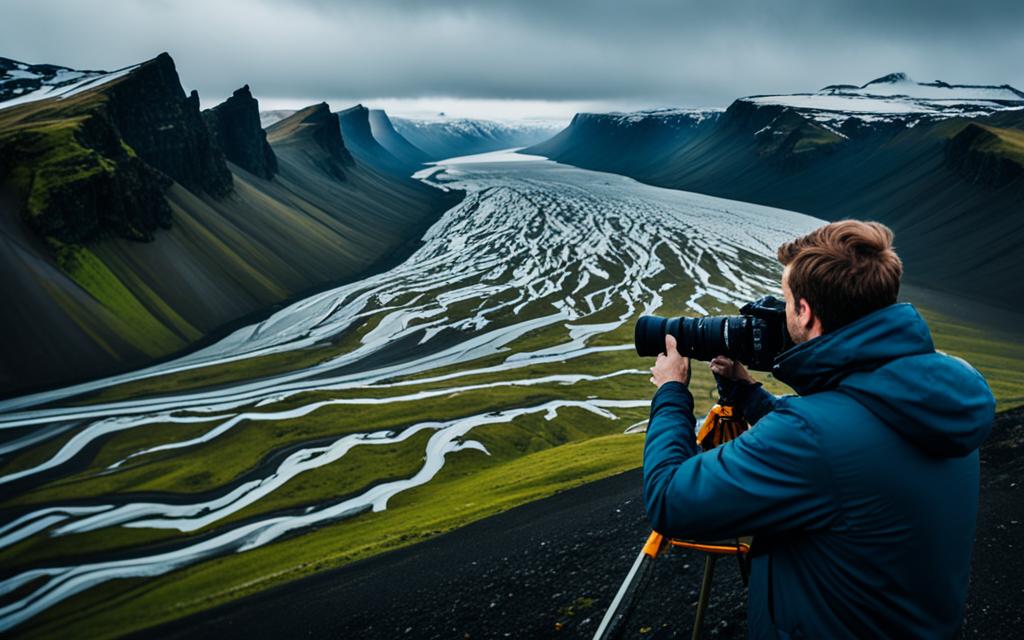
- Camera and Photography Equipment: Iceland’s landscapes are truly breathtaking, and you’ll want to capture every moment. Don’t forget to pack your camera and any photography equipment you may need to capture the beauty of Iceland’s landscapes. Remember, photography tips for Iceland’s landscapes can help you make the most of your shots.
It’s also important to be mindful of the daylight hours when planning your activities in Iceland. The length of daylight varies depending on the season, with longer days in summer and shorter days in winter. Keep this in mind when scheduling your adventures to maximize your time and make the most of the daylight hours available. Daylight hours by season can guide you in planning your itinerary to ensure you don’t miss out on any of Iceland’s wonders.
By packing the essentials and considering daylight hours by season, you’ll be well-prepared for your Iceland adventure and ready to capture incredible memories of this enchanting country.
Conclusion
Embark on an unforgettable adventure in the Land of Fire and Ice with these essential Iceland travel tips. With its stunning landscapes, unique natural wonders, and rich culture, Iceland offers a one-of-a-kind experience that will leave you with lifelong memories. Whether you’re exploring the vibrant city of Reykjavik, driving along the iconic Ring Road, or immersing yourself in the healing waters of a geothermal spa, Iceland has something to offer every traveler.
To make the most of your trip, remember to pack appropriate clothing layers to navigate Iceland’s ever-changing weather. Don’t forget your camera to capture the breathtaking landscapes and keep in mind that daylight hours vary by season.
As you plan your itinerary, include must-see sites such as the Blue Lagoon and the Golden Circle, and be sure to try the unique Icelandic cuisine. While exploring the natural wonders and national parks, practice sustainable travel practices and adhere to safety guidelines for outdoor adventures. Respect the cultural norms and etiquette of Iceland, showing appreciation for the natural environment and local customs.
With these travel tips for Iceland, you’re ready to embark on an epic journey filled with adventure, beauty, and discovery. So pack your bags and get ready to experience the wonders of the Land of Fire and Ice.