Imagine you’re at the airport, holding your boarding pass, excited for your vacation. You look at your watch and wonder, “How long is the flight to my destination?” Knowing how long a flight takes is key to planning your trip. Whether it’s a short trip within the country or a long journey across the world, understanding flight times is crucial.
This article will cover what affects flight times. We’ll look at distance, airline choices, and possible delays. By understanding these factors, you can set realistic expectations and enjoy your flight more.
Key Takeaways
- Understanding flight duration helps in travel planning.
- Airline travel times vary based on distance and airline choice.
- Weather and air traffic can impact how long a flight takes.
- Familiarize yourself with major domestic flight routes.
- Utilize flight duration calculators for precise travel times.
Understanding Average Flight Durations
When planning your travel, knowing how long flights last is key. The time in the air depends on how far you’re flying. Shorter routes are quicker, while longer ones take more time. Airlines and the type of plane also affect the journey’s length.
Factoring in Flight Distance
How far you’re flying is a big factor in flight time. A trip from New York to Chicago, about 800 miles, takes around 2 hours. But flying from New York to Los Angeles, around 2,800 miles, takes about 6 hours. This shows why planning your route well is important.
Importance of Airline and Aircraft Type
The airline you pick can change your travel experience. Airlines use different planes for various routes. This means flights to the same place can take different times. Airlines aim to improve performance and make customers happy, which affects how long flights last.
How Long Is a Flight? Factors Influencing Flight Duration
Many things can change how long a flight takes. Knowing these can help you plan better and make your trip smoother.
Weather Conditions
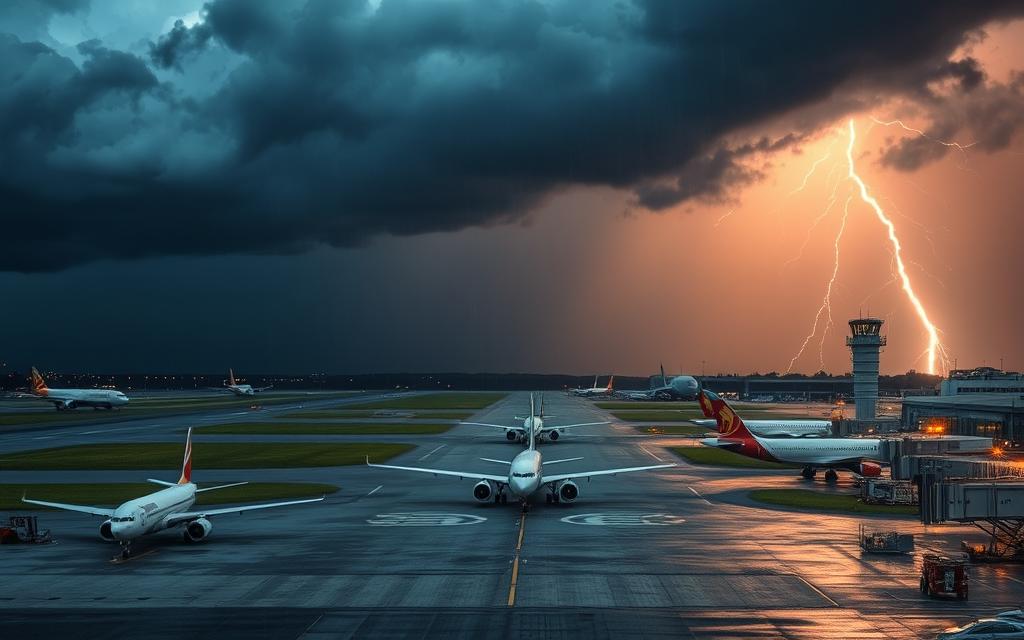
Weather has a big impact on flight times. Bad weather like storms, heavy rain, or snow can cause delays. Pilots often have to go around these issues, making flights longer.
Also, fog or clouds can make it hard to see, leading to longer flights. Airlines always choose safety over speed in these situations.
Air Traffic Control Delays
Delays from air traffic control are another big factor. When many planes are trying to take off or land at the same time, it gets crowded in the sky. This can mean waiting longer before you take off.
Airlines plan for these delays to make sure flights run smoothly. They add extra time to their schedules for this reason.
Examining Major Domestic Flight Routes
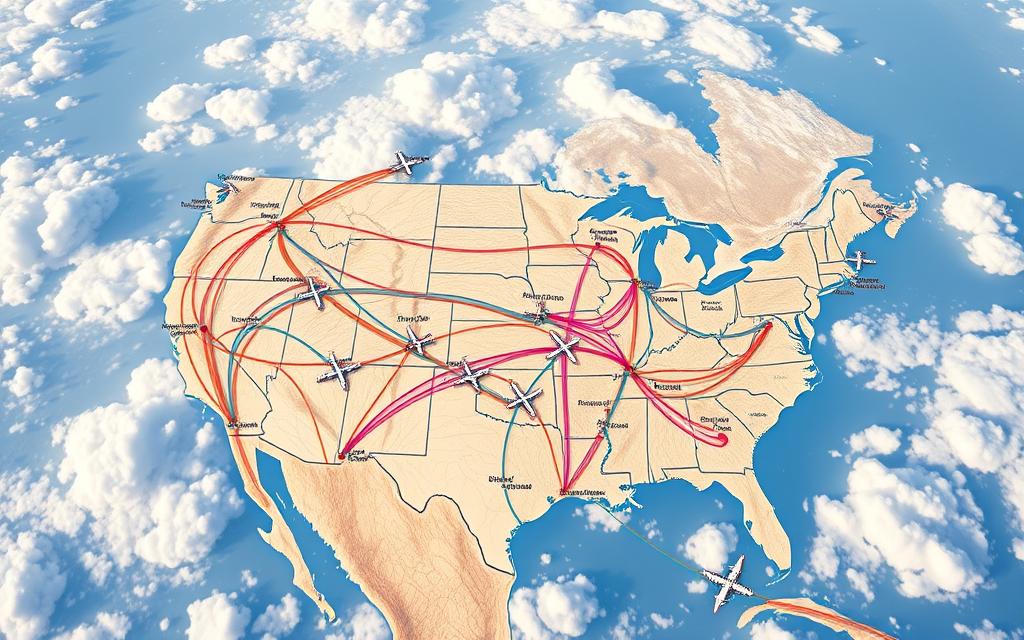
Looking into major domestic flight routes in the United States helps travelers plan better. It shows specific flight times that can change your travel plans. Knowing about key routes and their changed flight schedule timings helps in making smart choices.
Top Routes with Flight Times
| Route | Average Flight Time |
|---|---|
| San Francisco to Los Angeles | 1 hour 33 minutes |
| New York to Los Angeles | 5 hours 33 minutes |
| Chicago to New York | 2 hours 13 minutes |
| Miami to Atlanta | 1 hour 42 minutes |
| Seattle to Denver | 2 hours 30 minutes |
Flight Schedule Timings
Flight schedule timings have changed a lot because of the pandemic. Airlines have made changes to deal with delays better. These changes include new times for major domestic flight routes. Knowing about these changes can make your trip smoother.
Influence of Airline Operations on Travel Times
Airline operations greatly affect how long it takes to travel. Airlines change their plans to handle delays better. Knowing how they work can make your trip smoother and help you plan better.
Operational Resilience and Scheduling
Operational resilience means an airline can handle sudden problems without stopping service. Airlines have added extra time to their schedules lately. This helps deal with delays and keeps customers happy by avoiding missed flights.
When looking at travel times, you’ll see these extra minutes. For example, a two-hour flight might be listed as two hours and twenty minutes. This extra time helps airlines deal with delays from air traffic, weather, and other issues. So, it’s key to understand these travel time changes.

Knowing how airline operations affect your trip helps set realistic expectations. It lets you make better travel plans. This leads to a smoother flying experience.
Flight Duration Calculators: Finding Your Travel Time by Air
Flight duration calculators make planning your trip easier. They help you figure out how long your flight will take. This way, you can plan your trip better.
Utilizing Online Flight Time Tools
Online tools like Travelmath and FlightAware let you enter your flight details. They give you the expected flight time. These tools consider many factors for a precise estimate. This helps you know what to expect on your trip.
Understanding Block Time vs Actual Flight Time
Knowing the difference between block time and actual flight time is key for planning. Block time is the total time from gate to gate, including boarding and taxiing. Actual flight time is just the time in the air.
| Metric | Description | Importance |
|---|---|---|
| Block Time | Total elapsed time from gate departure to gate arrival | Helps assess overall travel time |
| Actual Flight Time | Time spent in the air | Provides insight into in-flight schedule |
Knowing both helps set realistic travel plans. It makes your flying experience smoother and more informed.
Impact of Pandemic on Airline Travel Times
The COVID-19 pandemic changed how airlines schedule and run flights. Airlines are now making changes for safety and efficiency. These changes affect how long flights take.
Post-COVID Adjustments in Flight Schedules
Airlines have changed their schedules because of the pandemic. They adjust how often they fly to match lower demand and use resources wisely. Now, they focus on being reliable, sometimes making flights longer. This helps make flying smoother for passengers.
Cancellations and Delays
There have been more flight cancellations and delays lately because of the pandemic. Shortages of staff and new rules have made things harder. It’s important for travelers to be ready for these issues. Planning ahead can help you deal with unexpected problems.
| Factor | Impact on Airline Travel Times |
|---|---|
| Staffing Shortages | Increased flight cancellations and delays |
| Flight Schedule Adjustments | Variable flight durations depending on demand |
| Health Regulations | Potential delays during boarding and deplaning |
| Operational Changes | Focus on reliability over frequency |
Tracking Flight Times: What You Need to Know
Knowing how to track flight times is key for travelers. It helps you plan your trip better. You can see if there are any changes or delays. This can really change your travel plans.
Things like air traffic and the weather affect when flights arrive. So, it’s important to keep an eye on your flight’s status.
Understanding On-Time Arrivals
The U.S. Department of Transportation says a flight is on time if it lands 15 minutes early or late. This rule helps us see how airlines perform. It shows why tracking flight times is so important.
To stay ahead of delays, use airline websites, apps, or airport displays. Here are some ways to keep track of your flight:
- Check the airline’s official website for real-time updates.
- Use flight-tracking apps to receive notifications on changes.
- Keep an eye on airport monitors for the latest information.
- Contact the airline directly if you suspect delays.
Using these tips for tracking flight times helps you set realistic expectations. It makes traveling smoother and keeps you informed during your trip.
| Flight Status | Definition |
|---|---|
| On Time | Arrives within 15 minutes of the scheduled time. |
| Delayed | Arrives more than 15 minutes late. |
| Canceled | Flight is not operating as scheduled. |
| Diverted | Flight lands at a different airport than planned. |
Tips for Travel Planning
When planning your trip, it’s key to get ready for delays. Air travel can be affected by many things. So, think about bad weather, air traffic, or mechanical issues. Adding flexibility to your plans can really help.
Preparing for Potential Delays
Being ahead of the game with delays can make your trip better. Here are some tips:
- Book flights during off-peak times to reduce the likelihood of congestion.
- Allow extra time for connections, especially when traveling through busy airports.
- Stay informed about possible disruptions through airline apps or websites.
- Consider purchasing travel insurance for more peace of mind.
Choosing Optimal Flight Times
Picking the best flight times is part of good planning. Early morning or late evening flights often have less traffic, making them shorter. Keep these tips in mind when planning:
- Research peak travel times for your destination.
- Consider direct flights to avoid longer layovers.
- Track the historical performance of airlines regarding delays.
- Utilize travel apps to monitor real-time data on departures and arrivals.
| Flight Time | Average Delay | Best Time to Book |
|---|---|---|
| Morning (6 AM – 9 AM) | 20-30 minutes | 2-3 months in advance |
| Midday (12 PM – 2 PM) | 30-45 minutes | 1-2 months in advance |
| Evening (6 PM – 9 PM) | 15-25 minutes | 3-4 months in advance |
Using these tips, you can handle delays and pick the best flight times for your trip.
Conclusion
Knowing how long a flight takes is key for good travel planning. Many things, like flight time, weather, airline operations, and air traffic control, can change your travel time. By understanding these, you can plan better for any delays.
Being aware of how flight times change helps you pick the best times to fly. This makes your travel plans better. It also reduces stress and makes flying more enjoyable.
A smart traveler is well-prepared. By knowing about flight times and what affects them, you can plan with confidence. This leads to more fun adventures.