Imagine stepping onto the vibrant streets of Havana, where the air is rich with the scent of cigars and the sound of salsa fills your ears. As you walk past rows of beautifully restored vintage cars from the 1950s, you realize you’ve arrived at a unique destination—one that feels suspended in time yet brimming with life. Your Cuban adventure travel begins in a place that seems untouched by the fast pace of modern technology. In Cuba, where internet access can be a luxury and the locals greet you with a warm smile, you might find yourself having deeper conversations than ever before. Here, the absence of distractions allows you to appreciate the lively culture, the rich history, and the stunning landscapes that make this island a traveler’s dream.
This guide will provide you with essential Cuba travel tips to help you navigate the nuances of traveling through this captivating island. From understanding the dual currency system to mastering basic Spanish phrases, you’ll be well-prepared to immerse yourself in an unforgettable Cuban vacation. Whether you’re wandering through the historic streets of Old Havana or lounging on one of its idyllic beaches, the journey is sure to be one of a kind.
Key Takeaways
- Expect limited internet access; staying offline can enhance your experience.
- Familiarize yourself with Cuba’s dual currency system: CUC and CUP.
- Cash is king in Cuba, so be prepared to manage payments without cards.
- Travel insurance is mandatory, so ensure you have coverage before your trip.
- Learn basic Spanish phrases for smoother communication.
- Pack essential items, as local stores may not stock familiar products.
- Download offline maps like Maps.Me to navigate without internet access.
Introduction to Cuba Travel
Cuba stands out as a remarkable travel destination that captures the essence of vibrant cultures and rich history. With a population of approximately 11.17 million people, the island offers travelers a unique opportunity to explore its diverse cultural experiences, from the colonial architecture of Havana to the lively rhythms of Santiago.
A Havana travel guide reveals the bustling streets filled with colorful colonial buildings and the warm welcoming of locals. The charm of towns like Trinidad, recognized for its well-preserved heritage, showcases the fascinating blend of influences from Spanish, African, and indigenous cultures, all contributing to Cuba’s unique identity.
As you wander through places like the Museo Nacional de la Lucha Contra los Bandidos in Trinidad, you’ll uncover stories of Cuba’s struggle for independence and rich history. This mesmerizing journey through cuban culture and cuisine will leave an indelible mark, making your visit not just memorable but transformative.
Your Essential Cuba Travel Tips
Navigating Cuba requires a mix of preparation and an open mind. You will find that patience and flexibility are essential virtues during your journey. Here are some vital cuba travel tips to help you experience the island effectively.
Travel safety plays a significant role in enjoying your trip. Cuba is known for its low crime rates, but being cautious is always wise. Avoid flaunting valuables and stay alert in crowded areas. Understanding the local customs and engaging with residents can greatly enhance your experience.
Conducting transactions in Cuba can be tricky due to the unique currency system. You will encounter two types of currency: the Cuban Peso (CUP) and the Moneda Libremente Convertible (MLC). Familiarize yourself with these to avoid confusion. Cash is your best bet as many cards do not work, and ATMs can be unreliable.
Accommodation is another crucial aspect to consider. Opting for casas particulares not only supports local families but offers a genuine glimpse into Cuban life. You may even forge lasting connections with your hosts.
Packing the right items can make a significant difference. Bring over-the-counter medications, toiletries, and a filtering water bottle. Snacks like chocolate and nuts are crucial due to the limited availability of food items in Cuba.
“Expect the unexpected; some of the best experiences may come from spontaneous moments and interactions.”
When seeking cuba travel deals, consider planning your trip during the dry season, from December to May, for favorable weather and vibrant local events. The off-season can offer lower prices and fewer crowds—worth exploring if you’re seeking a more laid-back atmosphere.
In preparing for your travel, remember that having a valid reason for visiting Cuba is essential for Americans due to existing restrictions. Completing the D’Viajeros App and generating a QR code for entry is mandatory, ensuring a smoother arrival process.
By adhering to these tips, you position yourself for a culturally enriching experience in Cuba, fostering connections that go beyond typical tourist interactions. Embrace the journey with an open heart and a spirit of adventure.
Best Time to Visit Cuba
The best time to visit Cuba falls between November and April. This period aligns with the dry season, making it an ideal choice for a cuban vacation filled with sunshine and outdoor activities. The high tourist season coincides with the winter months, leading to a bustling atmosphere as travelers escape the colder climates of North America.
From June to November, the Atlantic hurricane season is in effect, peaking in September and October with increased risks of tropical storms. Prospective visitors should consider their travel plans carefully during these months. The summer months of July and August bring higher temperatures, daily highs reaching 32-34ºC, popular with local tourists enjoying school breaks.
For outdoor enthusiasts, February and March experience a drop-off in tourist numbers, providing excellent conditions for activities like diving, snorkeling, hiking, and biking. Birdwatching lovers will appreciate March, when over 260 migratory bird species flock to Cuba.
April serves as a transitional month, offering a balance between high season crowds and mild rainfall, making it perfect for turtle-watching. If budget-friendly travel is your goal, consider visiting in May, June, or September when hotel prices are lower, especially as nature lovers take advantage of tortoise nesting seasons.
Lastly, be sure to check out local festivals like the Romerías de Mayo in Holguín during May, and the Fiestas San Juaneras in Trinidad at the end of June. These events add a unique cultural touch to your cuban vacation, enriching your experience further.
| Month | Season | Weather | Visitor Notes |
|---|---|---|---|
| November – April | High Season | Dry, pleasant | Ideal for outdoor activities |
| June – November | Hurricane Season | Variable, humid | Higher storm risk; plan carefully |
| December – January | Peak Season | Warm | Busy; family travel from North America |
| February – March | Shoulder Season | Mild and sunny | Perfect for diving and birdwatching |
| April | Transition Month | Warm with occasional rain | Good for turtle-watching |
| May – September | Low Season | Hot and humid | Budget-friendly travel options available |
Understanding Cuba’s Transportation Options
When planning your trip, understanding Cuba’s transportation options can enhance your experience significantly. This aspect is vital in making your travel smooth and enjoyable. You have various choices ranging from classic taxis to more adventurous means like bike rentals. Each option has its strengths and weaknesses, crucial for your cuba travel tips.
Renting a car provides convenience, comfort, and speed. Though it stands as the most expensive option, it allows you the freedom to explore at your own pace. Tourists often face booking challenges due to a limited pool of vehicles available as all rental companies access the same fleet, primarily consisting of cars from Asian manufacturers like Geely and Hyundai. While the main highways connecting cities have reasonable conditions, smaller roads may present difficulties with potholes and poor markings.
Colectivos offer a budget-friendly alternative, albeit with less comfort. These shared taxis are cheaper than private options but might require more planning and patience. Private taxis, while being the most comfortable and convenient, do come with higher costs. For those looking for modern travel, Viazul buses are reliable and connect major cities, representing a good choice for your cuba adventure travel.
It’s important to remember the extensive train system linking many provincial capitals. If you prefer a unique experience, you might find ferries and catamarans on the coastal routes appealing, such as between Habana Vieja and Casablanca. You can also explore cities like Havana, Cienfuegos, and Camagüey via bici-taxis for a true local experience, which is both fun and inexpensive.
A summary of transportation options is detailed in the table below, highlighting key aspects:
| Transport Option | Comfort Level | Cost | Best For |
|---|---|---|---|
| Car Rentals | High | Starts at US$70/day | Convenience and exploration |
| Private Taxis | High | Expensive | Luxury travel |
| Colectivos | Medium | Low | Budget-conscious travelers |
| Viazul Buses | Medium | Moderate | Long-distance travel |
| Bici-taxis | Medium | Low | City exploration |
By keeping these transportation options in mind, you can ensure your trip to Cuba is not only enjoyable but also tailored to your travel preferences. Embracing different modes of transport adds a layer of adventure to your experience, making it uniquely satisfying.
Money Matters: Currency and Payment Options
Understanding the intricacies of money in Cuba is crucial for a smooth travel experience. The Cuban Peso (CUP) serves as the country’s official currency following the discontinuation of the Cuban Convertible Peso (CUC) in January 2021. Travelers will find it essential to familiarize themselves with the currency’s denominations, which include bills of 1, 3, 5, 10, 20, 50, 100, 200, 500, and 1000 pesos in addition to coins of 1, 3, and 5 pesos.
Currently, the official exchange rate stands at $1 = 120 Cuban Pesos. An informal exchange rate can be seen as more favorable, at times offering $1 = 265 Cuban Pesos. It is recommended to exchange money upon arrival in Cuba, as this may yield a better value than official channels. You might take advice from local casa particulares or hosts who can guide you towards informal money changers.
When preparing for your trip, keep in mind that relying on credit cards can lead to complications. Cards issued by U.S. banks will not work in Cuba due to the ongoing embargo. Bringing sufficient cash in foreign currencies, such as Euros or Canadian Dollars, will likely assure a better exchange rate for converting to Cuban Pesos.
Consider the following points regarding currency and payment options:
- It is illegal to bring CUC into or out of Cuba, so ensure you convert any CUC to CUP before your departure.
- While Cadecas are government-run exchange houses and provide convenient services, informal exchange typically yields better rates.
- Expect to pay around CUC25-30 for accommodations within casa particulares and CUC100-300 for hotels per night.
- It’s advisable to budget around $60 to $100 per day to cover expenses.
- Be cautious of scams related to MN (Cuban Pesos), particularly in markets and street vendors.
Bringing more cash than you might estimate is a smart strategy to navigate the financial landscape that Cuba presents. Understanding these cuba travel requirements will enhance your experience and allow you to take full advantage of cuba travel deals throughout your journey.
| Type of Currency | Exchange Rate | Notes |
|---|---|---|
| Cuban Peso (CUP) | $1 = 120 CUP | Official currency since January 2021 |
| Informal Exchange Rate | $1 = 265 CUP | Can be found through local contacts |
| Cuban Convertible Peso (CUC) | 1 CUC = 1 USD (historical) | No longer in circulation |
Cuba Travel Requirements and Documentation
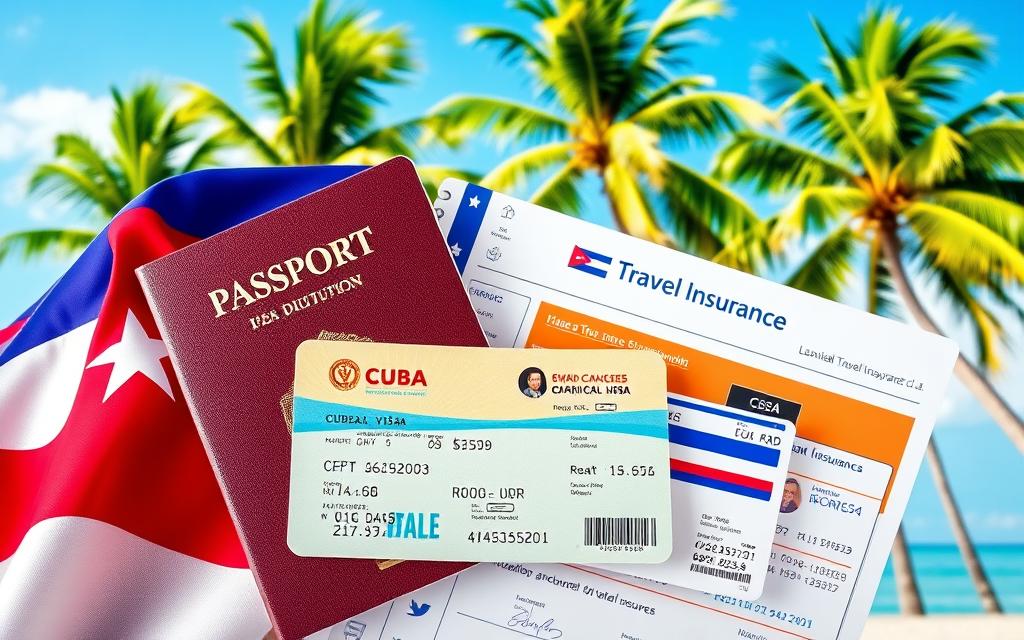
Preparing for your journey to Cuba involves understanding essential travel documentation. To ensure compliance with all cuba travel requirements, you need to obtain a valid passport and a Cuba Tourist Card. The Tourist Card is necessary for entry and can typically be purchased for about $75 to $100 directly at the airport. Alternatively, if you choose to buy it from a third-party seller, expect to pay $12 to $30 more. Some airlines conduct a “Cuba readiness check” prior to boarding, allowing travelers to purchase the visa during this check.
Travelers should also consider travel insurance, which is a requirement for entry. For a week-long trip to Cuba, insurance costs round $41.27 with providers like Trawick International. It is wise to secure your insurance before you travel to avoid any issues upon arrival.
As part of cuba travel safety, it is recommended to bring about $100 per person per day in cash. Cuba operates largely on cash, making it critical for covering daily expenses. Additionally, for communication, a tourist SIM card costs approximately $35, providing 6GB of data, 100 SMS, and 100 minutes of talk time, valid for 30 days. Moreover, Cuba has recently begun offering eSIM services for those who prefer digital options.
For Americans, complying with the evolving travel regulations is vital. Since 1997, changes have occurred under various administrations, impacting how you can visit Cuba. U.S. travelers must identify their trip under one of 12 authorized travel categories, including “Support for the Cuban People” or “Educational Activities.” It’s important to note that purely tourist activities are prohibited, which means enjoying the beautiful beaches falls outside allowable travel reasons.
Ensure that you retain records of your expenses and activities during your time in Cuba, as U.S. regulations mandate keeping these records for five years. Understanding and meeting all cuba travel requirements guarantees a smoother experience and compliance with entry rules.
Safety Tips for Traveling in Cuba
Your safety is a vital aspect of enjoying your trip to Cuba. While Cuba is generally safe, a few precautions will help ensure a trouble-free vacation. First, stay aware of your surroundings. Although 99% of U.S. travelers reported feeling safe during their visits, it’s wise to remain vigilant, especially in crowded tourist areas where petty theft, like pickpocketing, can occur.
It is advisable to avoid isolated areas at night. Stick to well-lit and populated locations when exploring after dark. Cuba enjoys a relatively low homicide rate compared to other countries, and the U.S. Department of State ranks it as a low-threat zone, yet keeping to busy streets offers added reassurance.
Protect your belongings by using secure bags and minimize the display of valuables. Theft from hotel rooms or cars can happen, particularly in private accommodations. To mitigate risks, secure your valuables in hotel safes when possible.
- Cuba enforcement of strict drug laws leads to very low drug-related crime, yet remain cautious of any unsolicited offers.
- Watch for scams from travel agents or taxi drivers aiming to overcharge tourists.
- Exercise vigilance when using credit cards to prevent fraud, as ATM and credit card scams occasionally arise.
While Cuba boasts a low level of violent crime, some incidents occur during burglaries or robberies. Women traveling alone should be especially cautious regarding potential harassment. Engage friendly locals, as the Cuban community is known for its hospitality. This can add to your understanding of the culture while keeping you informed about real-time safety aspects.
Following these cuba travel tips will help you navigate the country while minimizing risks, allowing for a more enjoyable experience in this vibrant and welcoming destination.
Exploring Havana: A Travel Guide
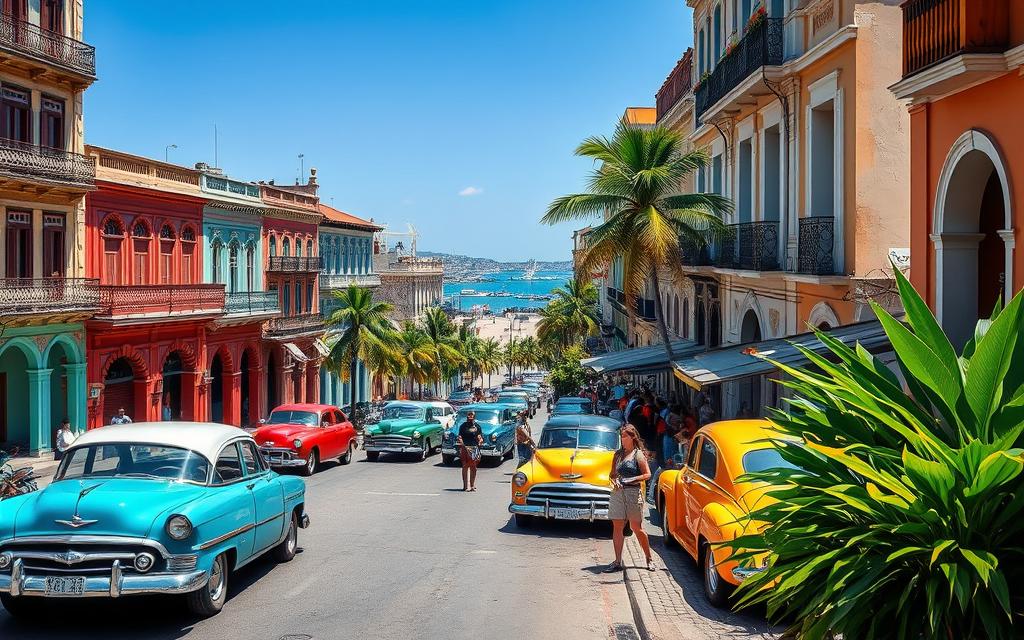
Havana, a vibrant city rich in history and culture, offers numerous attractions for visitors. As part of your havana travel guide, you must consider visiting the Museum of the Revolution, which provides insights into Cuba’s transformative history. Strolling through Old Havana is essential, with its charming streets showcasing colorful buildings, classic cars, and local life teeming with energy.
The oceanfront promenade, El Malecón, is another highlight. This scenic path encourages leisurely walks while inviting you to enjoy the sights and sounds of the city. Picture yourself riding in a vintage convertible, a quintessential Havana experience that embodies the city’s timeless spirit.
- Food and Dining: Numerous eateries offer a taste of local cuisine, although food quality can be mixed. It’s wise to seek recommendations for the best spots.
- Transportation: Walking provides an authentic way to navigate the city, though classic car taxis and modern government taxis are also available for added convenience.
- Safety: Havana is generally safe for travelers, with low instances of crime. Common sense still applies, particularly regarding personal belongings.
When planning your visit, keep in mind essential cuba travel tips, such as the need for a tourist visa and the importance of understanding currency exchange rules. For an unforgettable journey through Havana, embracing its rich culture and welcoming locals will enhance your overall experience, making memories that last a lifetime.
Must-Visit Destinations in Cuba
Your cuban vacation will not be complete without exploring the must-visit destinations in Cuba. Beyond the vibrant streets of Havana, discover charming towns each with unique experiences and cultural richness. Here are some key locations to include in your itinerary:
- Havana – The bustling capital offers captivating tours in classic cars and the chance to dine at private restaurants, known as ‘paladares’. Don’t miss the historical landmarks like Plaza de la Catedral and El Morro fortress.
- Viñales – Known for its stunning landscapes and tranquility, Viñales is perfect for horseback riding through lush tobacco fields and engaging in local activities. Taste authentic Cuban flavors at local restaurants such as Cubar and El Olivo.
- Trinidad – A UNESCO World Heritage site that boasts cobblestone streets and colonial architecture. Experience its vibrant local art scene and energetic salsa music in the evening.
- Santiago de Cuba – Rich in history, Santiago is famous for its cultural festivals and vibrant Afro-Cuban music. Pay a visit to its famous cemetery and the historic Castillo del Morro.
- Camaguey – With its maze-like streets, Camaguey invites you to discover hidden art galleries and local markets. It is recognized for its rich cultural history and artistic expressions.
Consider dedicating time to engage with local culture. Participate in festivals, visit art studios, and delight in outdoor adventures. Remember to support local businesses during your travels. Including stops at these must-visit destinations in Cuba enhances your overall experience, providing a deeper connection to the island’s charm and heritage.
| Destination | Highlights | Activities |
|---|---|---|
| Havana | Historic sites, vibrant nightlife | City tours, art galleries, beach relaxation |
| Viñales | Scenic landscapes, tobacco farms | Horseback riding, cigar rolling, rum tasting |
| Trinidad | Colonial architecture, cultural richness | Salsa dancing, art exploration |
| Santiago de Cuba | Rich history, lively festivals | Cultural celebrations, seaside excursions |
| Camaguey | Artistic hub, rich heritage | Gallery visits, local markets |
Discovering Cuban Culture and Cuisine
Cuban culture and cuisine represent a unique blend of diverse influences, creating a rich tapestry that tells the story of the island’s history. The fusion of African, Spanish, and indigenous flavors creates distinct traditional dishes that delight the senses. One must-try dish is Ropa Vieja, shredded beef simmered with vegetables and spices, delivering an authentic taste of Cuba.
Another staple of Cuban cuisine is cassava bread, made from the yuca plant. This versatile bread has its roots in the diets of indigenous people and has been a cherished part of Cuban meals for centuries. During celebratory occasions, households often serve boiled yuca with *mojo criollo*, along with *arroz congrí* and vibrant seasonal salads, ensuring a feast that highlights the importance of fresh ingredients.
Cuban culture transcends the plate, enveloping visitors in its lively music and dance scene. Genres such as Danzón, Son, and Mambo echo through the streets, inviting people to join in the rhythm. Venues in Havana, known for their vibrant jazz scene, attract both locals and tourists, showcasing the country’s musical talent and creativity.

Cuba’s street vendors contribute significantly to its lively atmosphere, offering a variety of goods from fresh produce to delightful ice cream sandwiches. Enjoying a roadside Cuban sandwich featuring sliced roast pork while cruising in an iconic *Almendrón*, a classic American car, embodies the essence of Cuban cuisine: simple, hearty, and full of flavor. This experience is a celebration of community and hospitality, key tenets of Cuban culture.
The communal spirit shines during festive times, such as New Year’s celebrations, when locals partake in traditional activities like roasting an entire pork in their backyards. Visitors can partake in culinary tours offered by licensed operators like Access Culinary Trips, allowing an in-depth exploration of both *cuban culture and cuisine*.
| Cuban Cuisine Highlights | Characteristics |
|---|---|
| Ropa Vieja | Shredded beef stew, seasoned with a mix of spices. |
| Cassava Bread | A gluten-free staple made from the yuca plant. |
| Yuca with Mojo Criollo | Boiled yuca paired with a garlicky citrus sauce. |
| Arroz Congrí | Rice and black beans cooked together, full of flavor. |
| Cuban Sandwich | Layered with roast pork, ham, and cheese, pressed for a crispy finish. |
| Street Food | Refreshments and snacks sold by vendors throughout towns. |
Exploring the culinary landscape and the vibrant cultural fabric of Cuba offers a deeper understanding of the island’s identity. Engaging with the local community through food, music, and dance provides a unique window into the heart of Cuban life. Your journey into *cuban culture and cuisine* is sure to be unforgettable.
Best Cuban Beaches for Relaxation and Adventure
Cuba is home to some of the best cuban beaches, each offering unique experiences for relaxation and adventure. With crystal-clear waters and pristine sands, these locations cater to both thrill seekers and those looking to unwind. Popular destinations include Varadero, Cayo Coco, and Playa Giron, where you can enjoy sunbathing, swimming, and a variety of water sports.
- Varadero: Known for its stunning stretches of white sand, Varadero invites visitors to indulge in luxurious beachfront resorts. Its vibrant nightlife and activities make it an ideal spot for both relaxation and fun.
- Cayo Coco: This location is perfect for water sports enthusiasts. From kayaking to diving, Cayo Coco offers multiple options for those engaged in cuba adventure travel. Those seeking tranquility can revel in its secluded areas.
- Playa Giron: Famous for its historical significance, this beach also features sapphire and turquoise waters, making it a prime location for snorkeling. Explore Cueva de Los Peces, nearby, recognized as Cuba’s deepest freshwater pool.
Additionally, don’t miss Coral Beach, situated about two hours from Havana. Known for its picturesque views, it stands out with the Bacunayagua Bridge towering 110 meters above ground. For a unique experience, visit the Saturn Cave, fifteen minutes away, where you can swim in an underground pool fed by rainwater and underground rivers.
While enjoying these spectacular beaches, consider dining at local restaurants for a taste of Cuban cuisine. Near Playa Giron, Luly & Yeikel provides an all-you-can-eat seafood menu, including exotic options like alligator meat for just 15 CUC.
Your itinerary can include about two days dedicated to beach relaxation out of an 18-day trip. Embrace the adventure and culture while soaking up the sun on the best cuban beaches during your unforgettable Cuba adventure travel experience.
Accommodation Options: Cuba All-Inclusive Resorts
Choosing the right accommodation can significantly enhance your experience in Cuba. Among the many options available, cuba all-inclusive resorts stand out for travelers seeking convenience and luxury. These resorts typically include meals, drinks, and entertainment in a single package price, making it easier to budget for your trip.
All-inclusive resorts in Cuba cater to various preferences. Family-friendly resorts offer amenities such as kids’ clubs and activities suitable for younger guests. On the other hand, more luxurious options provide spa treatments and gourmet dining experiences. Popular destinations for cuba all-inclusive resorts include Varadero, Cayo Santa Maria, and Holguin, where you will find various star-rated accommodations.
If you prefer a more local experience, casas particulares offer an intriguing alternative. These are Cuban homestays that can range from US$20 to US$100 per night, depending on location and amenities. Staying in a casa particular allows you to interact directly with locals, providing an authentic taste of Cuban culture. Many casas continue to operate despite recent challenges caused by the pandemic, allowing travelers to discover hidden gems throughout the island.
For budget travelers, campismos provide basic but affordable accommodations. Prices for these options typically range between USD$20 and USD$60 per bed per night. Many offer essential comforts like air conditioning and hot water, allowing you to experience Cuba on a budget.
When it comes to food in cuba all-inclusive resorts, variety can vary depending on current supply chain dynamics. You might encounter local staples like rice, beans, and seafood in your meals. It’s worth noting that the Cuban government owns at least 51% of all tourist hotels and resorts, ensuring adherence to local standards.
Here’s a summary of some accommodation options you might consider:
| Accommodation Type | Price Range (per night) | Features | Example Locations |
|---|---|---|---|
| Casas Particulares | $20 – $100 | Local experience, kitchen access | Havana, Trinidad |
| Cuba All-Inclusive Resorts | $80 – $300+ | Meals included, entertainment options | Varadero, Cayo Santa Maria |
| Campismos | $20 – $60 | Basic lodging, shared facilities | Various regions nationwide |
Conclusion
Reflecting on your journey through Cuba, it’s clear that this vibrant island is filled with unique experiences waiting to be discovered. By utilizing essential cuba travel tips, you can navigate the complexities of local customs, enhance your cultural immersion, and create lasting memories. From the stunning beaches to the historical streets of Havana, each moment in your cuban vacation can be enriched by an open-minded approach and a willingness to embrace the unexpected.
As you prepare for your trip, consider the insights gained from this guide. With the best time to visit Cuba being between December and May, plan accordingly to enjoy the island’s driest and most pleasant weather. Remember that budgeting around $50 per day can go a long way, especially with accommodation options ranging vastly in price. Your adventures in cuba adventure travel will surely be filled with rich interactions, whether you choose to stay in an all-inclusive resort or a locally-owned casa particular.
Ultimately, your time in Cuba is not just a vacation; it’s an opportunity to engage with a culture that is as warm and inviting as its people. From classic car tours to savoring local cuisine, allow the spirit of Cuba to captivate you. Embrace the journey and look forward to your upcoming adventures on this enchanting island.