Imagine you’re in a busy airport, surrounded by the smell of coffee and people rushing to their gates. A voice over the intercom calls out the next flight to Paris, and you feel a thrill. This is what international travel is all about: adventure, discovery, and connecting with the world.
But what makes a flight international? It’s key to know before you start planning your next trip.
International flights take you from one country to another. They need special documents and follow certain rules. With many airlines flying around the world, these flights open up a world of new places and experiences.
Getting ready and knowing what to expect makes flying internationally easier. You’ll feel more confident as you move through airports and explore new lands.
Key Takeaways
- International flights let you travel between countries and experience new things.
- You’ll need the right documents like passports and visas for these trips.
- Learning about airport procedures makes your trip smoother.
- Global air routes connect you to many places around the world.
- Flights to other countries have different rules and things you need to do before you go.
Understanding International Flights
International flights are key for global travel and trade. They link different countries, making it easy for people and goods to move across borders. These flights follow many rules that can change based on the countries involved. You’ll see things like immigration checks and customs, which make sure everyone follows the law when flying across borders.
Getting ready for an international flight is a must. You should know what papers you need for your destination and what items you can’t bring. Knowing this stuff makes traveling abroad easier and better.
Whether you’re off for fun or work, knowing how international flights work helps keep your trip smooth. Here are some tips to get you ready for flying across borders:
- Check visa needs for your destination.
- Look into baggage rules, as they vary by airline.
- Plan for time zones to adjust your schedule.
- Keep up with health and safety rules, like during pandemics.
Keep these tips in mind to make the most of international flights and the great experiences they offer.
| Aspect | Domestic Flights | International Flights |
|---|---|---|
| Immigration Checks | No | Yes |
| Customs Procedures | Minimal | Extensive |
| Baggage Policies | Standard | Varies by Airline |
| Travel Documents | Government ID | Passport and Visa (if required) |
What Is an International Flight?
An international flight is a commercial flight that goes from one country to another. It’s key to understanding how people travel across borders. These flights let people experience new cultures and landscapes. With more global air routes, they’re easier to get to, connecting more regions.
Definition and Key Characteristics
International flights need special rules, like using passports and sometimes visas. Passengers go through customs and immigration before and after flying. These flights are known for:
- Longer travel times
- Potential stops in other cities
- More rules for luggage
- Special services for long flights
Importance of International Flights in Global Travel
International flights are crucial for connecting the world and sharing cultures. They boost tourism and help businesses by making cross-border travel easy. This helps the economy grow and brings people together from different places.
| Aspect | International Flights | Domestic Flights |
|---|---|---|
| Duration | Longer, often exceeding 6 hours | Shorter, generally less than 6 hours |
| Requirements | Passport, visa (if needed) | Government-issued ID |
| Customs Process | Immigration checks required | No customs process involved |
| Baggage Allowances | Varies by airline and destination | Typically less restrictive |
Origins of International Air Travel
The story of flying across borders started with big steps that shaped today’s skies. These key moments show how we got to where we are in global travel.
Historical Milestones
The first commercial flight in 1919 linked London and Paris. This flight marked the start of a new era in flying. After World War I, more people wanted to travel, and new tech led to big changes:
- 1919: First commercial international flight initiated.
- 1944: The Chicago Convention set rules for flying worldwide.
- 1945: The International Air Transport Association (IATA) was created.
- 1947: The International Civil Aviation Organization (ICAO) was set up.
Evolution of International Airlines
After World War II, flying became popular, and airlines grew. Small airlines turned into big ones, offering flights across the globe. The use of jet engines made flying faster and more comfortable, changing long trips forever:
| Decade | Key Advancements | Significant Airlines Established |
|---|---|---|
| 1950s | Introduction of commercial jet aircraft | Boeing, British Overseas Airways Corporation |
| 1970s | The Concorde offers supersonic travel | Air France, British Airways |
| 2000s | Expansion of airline alliances for global connectivity | Star Alliance, OneWorld |
Today, thanks to partnerships and alliances, flying across continents is easier. This has made traveling the world a smoother experience.
Types of International Flights
When planning to travel overseas, knowing about the different types of flights can change your trip. You can choose from non-stop or connecting flights. Each type has its own benefits and things to consider, affecting your journey.
Non-Stop vs. Connecting Flights
Non-stop flights go straight to your destination without stops. This makes them great for those who want to get there fast. Connecting flights, however, involve changing planes and may mean longer waits. It’s important to think about what you prefer and your schedule when choosing.
Long-Haul and Transcontinental Journeys
Long-haul flights are over six hours and often cross continents. They can be tough due to jet lag and comfort issues. Transcontinental flights let you reach many places across the globe. Planning well for these long trips can make them better.
| Type of Flight | Pros | Cons |
|---|---|---|
| Non-Stop Flights |
|
|
| Connecting Flights |
|
|
| Long-Haul Flights |
|
|
| Transcontinental Journeys |
|
|
Why You Need a Passport for International Travel
Traveling abroad means you need to be well-prepared. A valid passport is key. It’s your main ID when you cross borders. Without it, you can’t enter another country.
Most countries say your passport must be valid for at least six months after you return. This keeps you covered during your trip. Always check your passport’s expiration date early to avoid travel problems.
Some countries also need visas for entry. Passport rules can change depending on where you’re going. Knowing these rules helps you follow the law.
Thinking about safety abroad is also important. Knowing the passport rules early helps protect you. Always plan ahead for a smooth trip.
| Country | Passport Validity Requirement | Visa Requirement |
|---|---|---|
| Mexico | Valid for 6 months beyond stay | Not required for U.S. citizens |
| Canada | Valid for the duration of stay | Not required for U.S. citizens |
| Australia | Valid for 6 months beyond stay | ETA required for U.S. citizens |
| United Kingdom | Valid for the duration of stay | Not required for U.S. citizens for short visits |
| China | Valid for 6 months beyond stay | Visa required for all U.S. citizens |
Understanding International Airports
International airports are key hubs that connect the world. They have a lot of travel infrastructure and can handle many international flights. Knowing what makes these airports special can make your travel better.
What Sets International Airports Apart
International airports are bigger and have special facilities for travelers. They have terminals just for international flights. These terminals make going through immigration and security easier. Here are some key differences:
- Multiple international flight terminals
- Enhanced airport amenities, including lounges and rest areas
- Robust travel infrastructure supporting customs and security
Facilities Available at International Airports
At international airports, you’ll find many services to make your trip better. You can expect to find things like:
- Duty-free shops offering a variety of products
- Restaurants with diverse cuisine options
- Currency exchange services for ease of transactions
- Real-time flight information panels to keep you updated
- Business lounges to relax before your flight
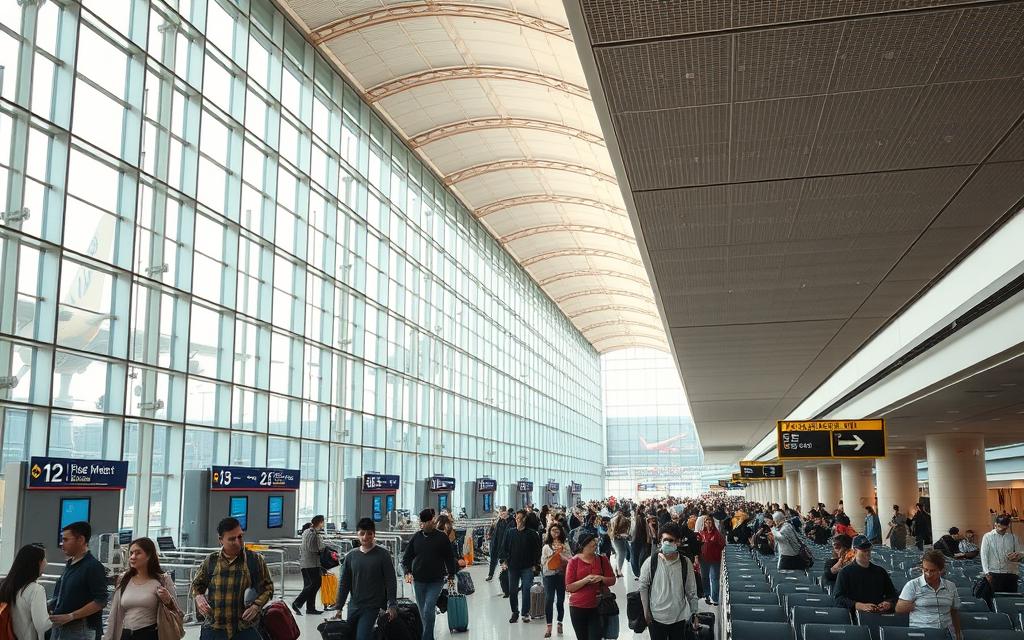
Knowing about the facilities at international airports can help you move through them easily. With services focused on travelers, you can make your airport experience smoother. Use the resources available to stay comfortable and efficient.
Travel Visas and Their Importance
Travel visas let people enter, stay, or do certain things in a foreign country. They come in different types for things like tourism, business, or school. Knowing what visa you need for your trip is key to planning and following the rules.
Different Types of Travel Visas
Understanding the types of travel visas is important. Here are some common ones:
- Tourist Visa: For fun trips, usually for a short time.
- Business Visa: For work or business, needs more papers.
- Student Visa: For going to school abroad, valid for longer.
- Transit Visa: For travelers just passing through.
Countries Requiring Visas for Entry
Visa rules change a lot by country. Some countries are strict, while others are more relaxed, especially for travelers from certain places. Here’s a quick look at what you might need:
| Country | Visa Requirement | Visa Type |
|---|---|---|
| United States | Visa required | Tourist/Business |
| Canada | Visa required | Tourist |
| United Kingdom | Visa required | Visitor |
| Australia | Electronic Travel Authority (ETA) | Tourist |
| Brazil | Visa required for certain nationalities | Tourist/Business |
Make sure you know the visa rules and travel rules for your destination. Check government travel sites for the right info. This way, you won’t run into problems on your trip.
Customs Regulations When Traveling Internationally
It’s key to know customs rules when you travel abroad. Following these rules makes getting into your destination easier. You’ll go through customs processes that check you’re following the law. Learning about customs declarations can avoid delays or issues.
International Customs Procedures
When you arrive in a new country, you must follow customs rules. You’ll need to declare goods and go through inspections. It’s important to know what items you can’t bring in, like some foods, alcohol, and more. This knowledge makes traveling smoother.
What to Declare at Customs
At customs, you must declare some items, like expensive goods, gifts, and things bought abroad. Knowing what to declare helps avoid fines. Keep receipts for expensive items handy. Also, knowing how much you can bring helps follow customs rules.

| Item Type | Declaration Needed | Notes |
|---|---|---|
| Gifts | Yes | Value restrictions may apply. |
| Food Products | Depends on type | Check specific import restrictions. |
| High-Value Items | Yes | Keep receipts available. |
| Alcohol | Yes | Restrictions on quantity often apply. |
| Medicines | Depends on country | Always carry prescriptions. |
Common Travel Tips for International Flights
Planning your trip well is key to a smooth journey abroad. Start getting ready early and make a checklist of things to do before you leave. Make sure your passport is valid, check if you need a visa, and confirm your flight details a day before. Keep important papers, medicines, and valuables in your carry-on to avoid losing them during the flight.
Pre-Flight Preparations
Following tips for international flights means paying attention to many details. Learn about airport security rules to move through it faster. Here are important steps to take:
- Confirm your passport has at least six months of validity beyond your departure date.
- Gather all necessary travel documents, including visas and vaccination proof.
- Review the airline’s baggage policy to avoid additional fees.
- Prepare for possible customs regulations at your destination.
Arriving Early at the Airport
It’s wise to get to the airport at least three hours before your flight. This gives you time for check-in, security, and customs. Knowing how airport times can change helps you avoid delays, especially when many people are traveling. Here’s a table with suggested arrival times for different flights:
| Flight Type | Suggested Arrival Time |
|---|---|
| International Flights | At least 3 hours before |
| Domestic Flights | At least 2 hours before |
| Peak Travel Times | Up to 4 hours before |
What to Expect During International Departures
Getting ready for international travel can feel overwhelming, especially with all the steps you need to take. It’s important to know about passport control, security checks, and how to board your flight. These steps are key to following travel rules and airline policies.
Passport Control and Security Checks
First, you’ll go through passport control at the airport. Officials will check your travel documents to make sure you can go to your destination. After that, you’ll go through security checks. Here, they’ll look at your carry-on bags and personal items.
This step is vital for keeping everyone safe in the air. Knowing what items you can’t bring can make going through security faster.
Boarding Procedures
How you board your flight can differ a lot. Airlines have a set order for boarding, usually starting with first-class, frequent flyers, and those who need help. Pay attention to announcements about your boarding group to move quickly to your seat.
Understanding how boarding works helps you get settled faster and be ready for your flight.

Handling Long-Distance Travel
Long-distance travel can be tough, especially on international flights. Getting ready can make your trip more comfortable and enjoyable. Use smart packing tips and health advice to help you out.
Comfortable Clothing and Packing Strategies
Wearing comfy clothes is key for long flights. Choose loose fabrics that let you move easily. Layers are good since the cabin’s temperature changes. Here are some packing tips:
- Travel pillows to support your neck.
- Blankets or shawls for extra warmth.
- Personal hygiene items to stay fresh.
- Snacks to keep hunger and mood in check.
- Entertainment like books, movies, or music.
Staying Healthy During Long Flights
Keeping healthy during long trips is vital. With some tips for international flights, you’ll feel great when you land. Here are some important strategies:
- Hydration: Drink lots of water to fight dryness and tiredness.
- Movement: Get up and stretch or walk around to keep blood flowing.
- Compression socks: They help reduce swelling and improve blood circulation.
- Meal choices: Pick light, healthy meals to avoid feeling bloated.
Using these tips can make your flight more comfortable and keep you feeling good when you arrive.
Airline Regulations for International Flights
Planning your trip means knowing the rules for international flights. Airlines have different rules for what you can bring and what you can’t. It’s important to learn these rules to make your trip smoother.
Baggage Allowances and Restrictions
Airlines set limits on how much and what you can bring on a flight. They have rules for the weight and size of your luggage, both checked and carry-on. Here are some key points to remember:
- Check the specific airline’s regulations on baggage allowances before your trip.
- Be aware of travel restrictions regarding prohibited items like certain foods, liquids, and electronics.
- Confirm any additional fees that may apply for excessive or oversized luggage.
Traveling with Medication and Valuables
Traveling with medication and valuables requires knowing the rules. Always carry your medications in their original packaging with prescriptions. Some countries have strict rules on bringing in certain medications. Here are some tips:
- Keep a copy of your prescriptions and a note from your doctor if necessary.
- Store important documents and valuables, like electronics, in your carry-on for added security.
- Familiarize yourself with country-specific regulations regarding medications before traveling.
Returning Home: International Arrivals
After your long flight, you’ll go through several steps when you arrive back home. Knowing what to expect can make your return smoother. You’ll start with customs and immigration checks, each with its own rules.
What Happens After Landing
First, you’ll head to the area for international arrivals. There, you’ll go through customs and immigration. These steps check if you follow the rules of the country you’re entering. Look for signs that guide you to the right lane based on what you’ve brought back.
Understanding what’s needed for international travel can reduce stress. It makes arriving home easier.
Immigration Checks and Entry Requirements
At immigration, officials will look at your travel papers and ask about your items. It’s crucial to fill out all immigration forms. Following the rules helps you get into your country smoothly.
If you don’t know the rules or forget something, it can cause problems. So, being prepared is key.
Conclusion
International flights are a key to exploring new cultures and experiences worldwide. Getting ready for your trip means learning about international travel. This includes knowing about passports, visas, and customs rules.
Learning these important things and following travel tips can make your trip better. It doesn’t matter if you’re going for a short trip or a long one. Knowing about flight rules can make your journey smoother.
International flights let you see the world. Getting ready can turn your trip into a memorable journey of discovery. Happy travels!