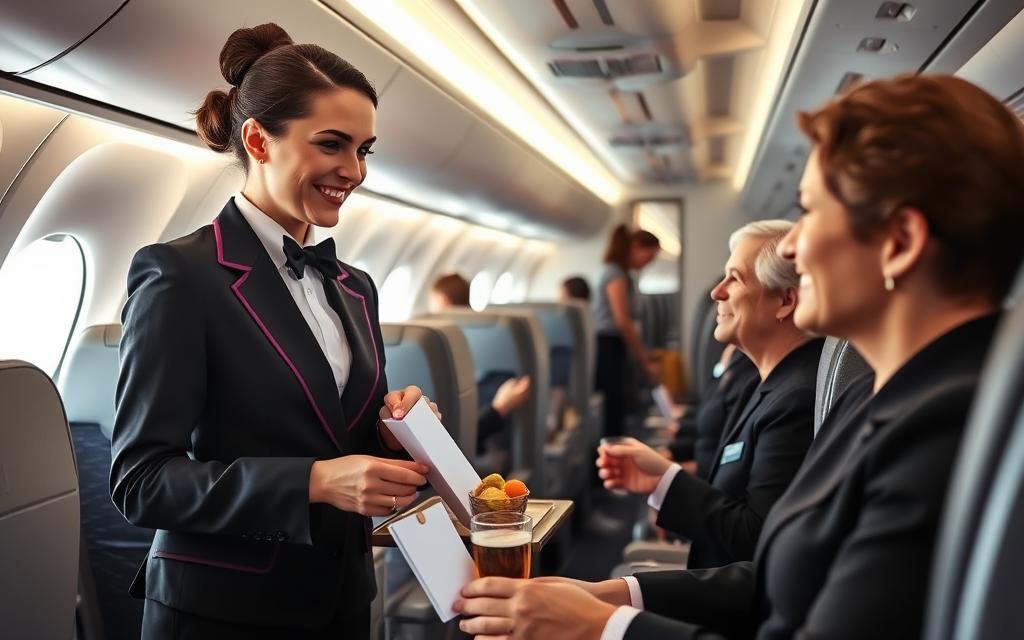
You’re getting ready for your flight, putting away your carry-on, and excited for your adventure. As the flight attendants welcome you, you notice their warm smiles. They work hard in tight spaces, making sure you’re safe and comfortable. You wonder, should you tip them? Travel etiquette can be tricky, especially with airline tips. Since safety is the top priority, knowing how to show appreciation is key.
As we look into tipping on flights, you’ll see it’s not always about money. Sometimes, just saying thank you is enough.
Key Takeaways
- Tipping flight attendants is a debated topic within travel etiquette.
- Understanding the primary focus of flight attendants on passenger safety is crucial.
- Exploring alternative customer appreciation gestures can enhance your travel experience.
- Different airlines hold varied stances on gratuities, impacting passenger expectations.
- Contextual factors, such as exceptional service and special occasions, may influence tipping decisions.
Understanding the Role of Flight Attendants
Flight attendants are key to making flights safe and enjoyable. They do more than just serve drinks and snacks. Their main goal is always safety.
Safety First
Flight attendants are the first ones to act in emergencies in the sky. They make sure everyone follows safety rules. If something goes wrong, they know exactly what to do to keep everyone safe.
Multi-faceted Responsibilities
Flight attendants do a lot more than just serve food and drinks. They act like personal helpers, making your flight better. They need to be great at making customers happy and flexible to meet everyone’s needs. This makes flying more enjoyable for everyone.
| Responsibility | Description |
|---|---|
| Safety Compliance | Conducting safety demonstrations and ensuring adherence to aviation regulations. |
| Customer Service | Assisting passengers with inquiries, providing comfort, and addressing issues throughout the flight. |
| In-flight Service | Managing food and beverage distribution while handling in-flight service fees. |
| Emergency Response | Acting as first responders during in-flight emergencies and medical situations. |
The Debate on Tipping Flight Attendants
Tipping flight attendants sparks different views among passengers and those in the industry. Some think tips should show how good the service is and thank the attendants. Others believe it can distract from their main job—keeping everyone safe.
It’s important to understand these views to talk about tipping fairly.
Why Tipping is Disputed
Tipping flight attendants brings up big questions about how we see service and what we expect. Critics worry that tips might make attendants focus more on what passengers want than on safety. This could make flying less safe for everyone.
Keeping flights safe should always come first, not just because of money.
Safety vs. Service Expectations
Flight attendants deal with many challenges, making their job tough but crucial. They must balance making customers happy with keeping everyone safe. This makes some argue that tips shouldn’t be part of their job.
As tips might depend on how well they serve, it’s hard to keep up safety and customer satisfaction.

| Aspect | Arguments For Tipping | Arguments Against Tipping |
|---|---|---|
| Passenger Experience | Enhances perceived service quality | Can create dependency on tips for recognition |
| Flight Attendant Role | Rewards exceptional service | Potential distractions from safety protocols |
| Industry Standards | Aligns with hospitality practices | May lead to unequal treatment among passengers |
Airline Policies on Gratuities
Airline policies on gratuities show a wide range of practices. Each airline has its own way, shaped by its culture and how it treats customers. You might be surprised to see how different airlines handle tips and how they affect your flight.
Varied Stances Among Airlines
Big airlines like American Airlines and Delta say no to cash tips. They ask passengers not to give money directly to crew members. On the other hand, budget airlines like Frontier Airlines are okay with tips for food and drinks bought on board. This shows how different airlines have different ways of valuing customer service.
Exceptions in Tipping Culture
Even though cash tips are rare, many airlines suggest other ways to say thanks. You can show your appreciation with good feedback or gifts that don’t involve money. This approach values great service without making crew members uncomfortable about handling cash.
| Airline | Gratuity Policy | Accepted Gratuities |
|---|---|---|
| American Airlines | No cash tipping | Non-monetary gifts |
| Delta | No cash tipping | Positive feedback |
| Frontier Airlines | Accepts cash tips | Food and beverage purchases |
| Southwest Airlines | No cash tipping | Letters of appreciation |

Alternatives to Cash Tips
Cash tips might not be common in aviation, but there are other ways to show you care. You can show your thanks in many ways, making it clear you value the hard work of flight attendants. This lets you show your appreciation without giving money.
Giving Non-cash Gifts
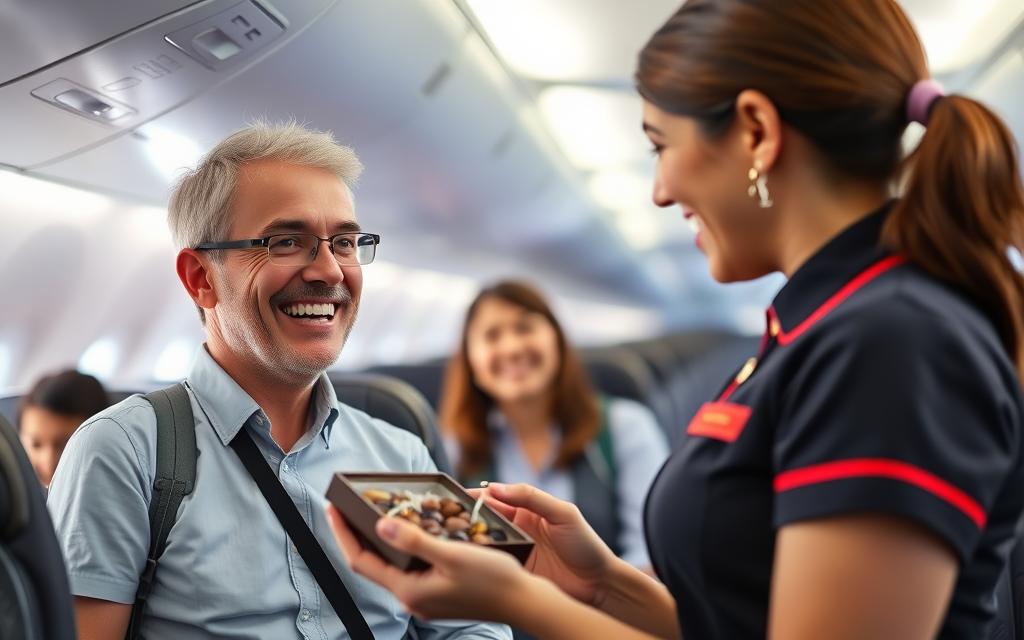
Small, non-cash gifts are a great way to say thanks. Think about giving out candies or a gift card to a coffee shop nearby. These gifts show you care and stay within what’s accepted. Even a simple snack can make a crew member’s day brighter and build good feelings.
Personal Notes of Appreciation
Writing thank-you notes can really make a difference. Saying thanks in writing, on a card or through the airline’s feedback, lifts crew spirits. These notes remind them their hard work is seen and valued, showing the importance they add to each flight.
When You Might Consider Tipping
Showing thanks for great service can make your trip better. Tipping flight attendants is up to you, but some situations might make you want to say thanks. Saying thanks with a tip can really brighten your flight.
Exceptional Service Examples
On your flight, you might see a flight attendant do something amazing. These moments could be:
- Quickly fixing problems like delays or seat changes.
- Helping with special requests like food needs or extra help.
- Showing a personal touch, making you feel important.
When you see this, a tip is a nice way to say thanks for their hard work and service.
Seasonal Considerations
Traveling in busy times is different. Holidays are especially unique, with crews working extra to make your trip smooth. Tips during these times show you care about the hard work they do. Tipping is not required, but it’s a way to say thanks for their extra effort.
Understanding Crew Compensation
Flight attendants are key to the airline world, but their pay can be tricky for passengers to understand. It’s important to know how their pay ties to flight hours and the big role of airline tips policies.
Base Salaries vs. Flight Hours
Flight attendants get their main pay from the hours they fly. But, time spent getting on and off the plane is usually not paid. This can make their money tight, especially when lots of people are flying.
This way of paying can change how much they make. Tips and in-flight fees aren’t always there, which can make things tough for them. So, how they see tips gets complicated.
Impacts of Airline Gratuities Policies
Airlines have rules that affect how flight attendants see tips and extra money from in-flight fees. Many airlines don’t like tips to keep things safe, not just about serving customers. This means flight attendants might not get much extra cash from tips.
But, some airlines offer other ways for passengers to say thanks. This helps make things clearer about how crew get paid and how passengers show they appreciate them.
Travel Etiquette and Passenger Amenities
Good travel etiquette can make flying better and improve how you connect with flight attendants. Simple actions show thanks and boost the mood on the plane. You can do many things that are right for the travel setting.
Appropriate Gestures of Appreciation
Non-cash gestures show you value the crew’s hard work. Here are some ideas:
- Thank the flight attendants out loud during your trip.
- Give them compliments for their great service.
- Join programs that reward the crew for doing a great job.
How to Show Appreciation without Tipping
Looking for ways to say thanks without tipping is part of good travel manners. Here are some ideas:
- Write a short note to say thanks for their service.
- Fill out surveys to give feedback to the crew.
- Post positive experiences on social media and tag the airline.
These actions make your trip better and help make the plane a happier place for everyone. By using these non-cash gestures, you help build a culture of appreciation and respect in flying.
Recent Trends in Tipping Practices
The way we tip in the aviation service industry is changing. Passengers are thinking differently about how to show thanks to flight attendants. They balance wanting to thank them with knowing they’re safety experts. This change affects not just tipping, but how we see flying.
Changing Perceptions Among Passengers
People are starting to view tipping flight attendants differently. Many see it as a way to say thanks, not just for service but for their safety focus. This new view helps us see the many roles attendants play and how they should be paid and recognized.
Influence of Social Media on Tipping Culture
Social media is big in shaping how we think about tipping in flying. Sites like Twitter and Instagram let people share their flying stories right away. These platforms are full of talks about tipping and how we should see it. As people share their thoughts, it’s making us all think differently about tipping and how we thank flight attendants.