Imagine strolling along the cobblestone streets, capturing the breathtaking view of the Eiffel Tower as it sparkles against the night sky. Picture yourself sipping a rich café au lait in a charming Parisian café, surrounded by the aromas of freshly baked croissants. Feel the anticipation of exploring the world-class museums and uncovering the hidden gems nestled within the city’s vibrant neighborhoods. Paris, the City of Lights, has a way of enchanting and captivating all who visit.
Whether you’re planning your first trip or returning to this magical destination, you want to ensure that your experience in Paris is nothing short of extraordinary. From navigating the bustling Paris Metro to indulging in the city’s culinary delights, there are a few essential travel tips that can help you make the most of your journey. Get ready to immerse yourself in the beauty, culture, and romance of this iconic city.
Key Takeaways:
- Plan your visit during the optimal time based on the weather and crowd levels.
- Familiarize yourself with the Paris Metro for convenient transportation.
- Respect French dining etiquette when enjoying the city’s culinary offerings.
- Make sure to visit iconic landmarks and world-famous museums.
- Pack appropriately for Parisian weather, layering being essential for fluctuating temperatures.
Best Time to Visit Paris
When planning your trip to Paris, it’s important to consider the best time to visit. The city experiences four distinct seasons, each with its own charm. Here’s a breakdown of the seasons and what they have to offer:
Spring (April to June)
- Mild weather and blooming flowers make spring a picturesque time to visit Paris.
- There are fewer crowds compared to the peak tourist season, allowing you to explore the city at a more leisurely pace.
- Outdoor activities, such as picnics in the parks or boat rides along the Seine, become popular.
Summer (July to August)
- Summer is peak tourist season in Paris, with longer days and warm temperatures.
- Enjoy the vibrant atmosphere as the city comes alive with street festivals, open-air markets, and outdoor concerts.
- Perfect time to indulge in outdoor dining at Parisian cafes and explore the city’s many gardens and parks.
Fall (September to November)
- Mild weather and beautiful autumn foliage create a romantic ambiance in Paris.
- Take advantage of fewer crowds and shorter lines at popular attractions.
- Opportunity to experience Paris Fashion Week, a major event in the fashion world.
Winter (December to February)
- Paris in winter offers a magical atmosphere, especially during the holiday season.
- Explore charming Christmas markets, admire dazzling light displays, and warm up with hot chocolate or mulled wine.
- Despite colder temperatures, the city is still bustling with cultural events and indoor activities, such as visiting museums or attending theater performances.
When packing for your trip, consider the weather during your visit:
| Season | Weather | Recommended Clothing |
|---|---|---|
| Spring | Mild with occasional showers | Light layers, umbrella |
| Summer | Warm to hot | Lightweight clothing, sunscreen, hat |
| Fall | Mild with occasional rain | Light layers, raincoat |
| Winter | Cold with occasional snow | Warm clothing, coat, scarf, gloves |
By carefully choosing the best time to visit Paris and packing accordingly, you can make the most of your trip and fully enjoy the unique experiences this enchanting city has to offer.
Navigating the Paris Metro
When exploring the beautiful city of Paris, the Metro is a convenient and efficient way to get around. With multiple lines connecting various neighborhoods and attractions, you can easily navigate the city using this public transportation system. Here are some essential tips to help you make the most of your experience:
- Purchase a Navigo card: For unlimited travel on the Metro, buses, and some Vélib’ stations, consider buying a Navigo card. This smart card provides convenience and cost savings for frequent travelers.
- Plan your route: Make use of the Metro map, which displays all the lines and stations. Familiarize yourself with the line numbers and directions to ensure you’re heading in the right direction.
- Avoid rush hour: To avoid overcrowding and long wait times, try to plan your Metro trips outside of peak rush hour. Mornings (8:00 to 9:30 am) and evenings (5:30 to 7:00 pm) tend to be the busiest.
- Consider walking: While the Metro is an excellent mode of transportation, don’t overlook the opportunity to explore Paris on foot. Many attractions are within walking distance of each other, allowing you to soak in the city’s charm along the way.
Paris Metro Map

| Line | Color | Destinations |
|---|---|---|
| Line 1 | La Defense – Chateau de Vincennes | |
| Line 2 | Porte Dauphine – Nation | |
| Line 3 | Pont de Levallois – Gallieni | |
| Line 4 | Porte de Clignancourt – Mairie de Montrouge | |
| Line 5 | Bobigny – La Place |
Here is a sample of the Metro lines and their corresponding colors, along with a selection of destinations they connect. Use the Metro map to plan your route and explore all that Paris has to offer.
French Dining Etiquette
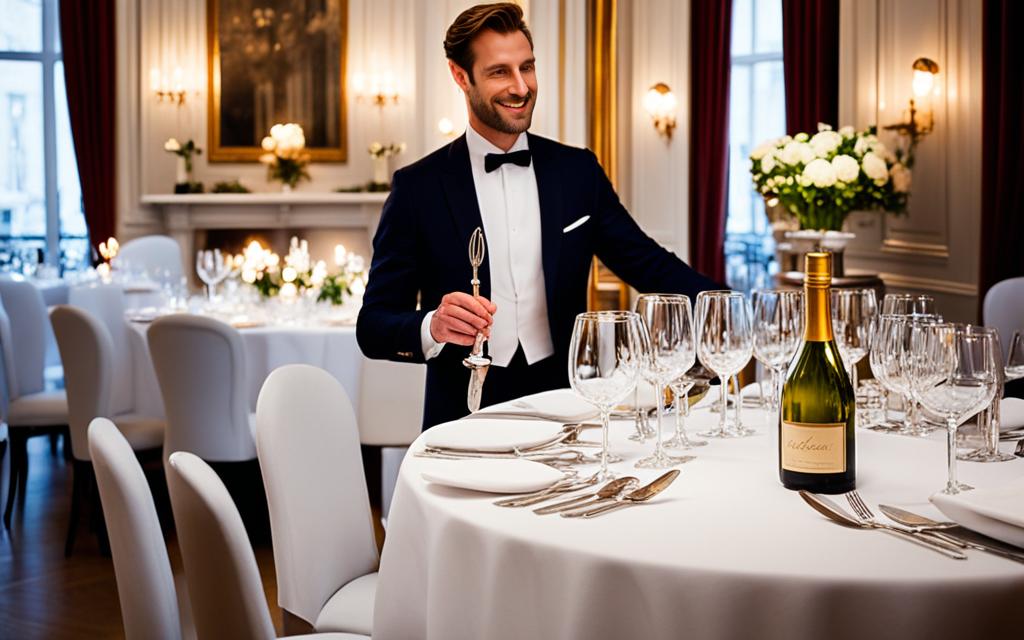
Dining in Paris is a delightful experience, but it’s important to familiarize yourself with French dining etiquette. When entering a restaurant, greet the staff with a polite “Bonjour.” It’s customary to wait to be seated by the waitstaff. Keep in mind that the French take their food seriously, so avoid rushing through your meal. It’s also customary to politely ask for the check when you’re ready to leave, as the waitstaff will not bring it automatically. Tipping is not obligatory in France, as a service charge is typically included in the bill. However, it is customary to leave a small tip for exceptional service.
For a deeper understanding, here are some key elements of French dining etiquette:
- Respecting the staff: Begin your dining experience on a positive note by greeting the staff with a warm “Bonjour” (Good day). This simple gesture sets the tone for a pleasant interaction.
- Waiting to be seated: In Parisian restaurants, it’s common to wait for the waitstaff to indicate a table for you. This shows respect for their service and ensures a smooth seating process.
- Savoring the meal: French dining is a leisurely affair, with a focus on savoring each course. Take your time to enjoy the flavors, textures, and aromas of the dishes. Engage in conversation, and relish the experience.
- Asking for the check: Unlike in some other countries, the waitstaff in Parisian restaurants will not automatically bring the check after your meal. Instead, when you’re ready to pay, it’s polite to ask for the check by saying “L’addition, s’il vous plaît.”
- Tipping etiquette: Tipping in France is not obligatory, as a service charge is typically included in the bill. However, it is customary to leave a small tip for exceptional service. This gesture is appreciated, but not expected.
French Dining Etiquette at a Glance:
| Etiquette | Customary Practice |
|---|---|
| Greeting the staff | Begin with a polite “Bonjour” upon entering a restaurant. |
| Seating | Wait for the waitstaff to indicate a table for you. |
| Meal pace | Savor each course and enjoy the dining experience. |
| Asking for the check | Politely ask for the check when you’re ready to leave. |
| Tipping | Leave a small tip for exceptional service, though not obligatory. |
By following these practices, you’ll demonstrate respect for the culture and enhance your dining experience in Paris. Bon appétit!
Iconic Landmarks and Museum Guides
Paris, the City of Lights, is renowned for its iconic landmarks and world-class museums. Immerse yourself in the rich history and culture of this enchanting city by exploring these must-visit attractions. Plan your itinerary and make the most of your time in Paris.
Eiffel Tower
The Eiffel Tower is a true symbol of Paris and offers breathtaking views of the city. Take an elevator ride to the top and marvel at the panoramic views from the observation decks. Capture stunning photos against the Parisian skyline, and experience the magic of the Eiffel Tower at night when it sparkles with thousands of lights.
Louvre Museum
The Louvre Museum is a treasure trove of art and history. Home to the iconic Mona Lisa, this world-renowned museum showcases an extensive collection of masterpieces from various eras. Wander through the grand halls and admire famous works such as the Venus de Milo and the Winged Victory of Samothrace.
Arc de Triomphe
The Arc de Triomphe stands proudly at the western end of the Champs-Élysées. Climb to the top for a magnificent view of the city and the bustling traffic circling the monument. Pay tribute to the fallen soldiers at the Tomb of the Unknown Soldier and learn about France’s historical victories and heroes.
Notre Dame Cathedral
Step into the Gothic masterpiece that is Notre Dame Cathedral. Admire the stunning architecture, intricate stained glass windows, and the famous gargoyles that adorn the exterior. Take a moment to appreciate the tranquility inside the cathedral and reflect on its significance in French history and culture.
Musée d’Orsay
The Musée d’Orsay is a paradise for art enthusiasts as it houses an extensive collection of impressionist and post-impressionist masterpieces. Marvel at the works of renowned artists such as Monet, Renoir, Van Gogh, and Degas. Don’t miss the opportunity to explore the museum’s stunning architecture, housed in a former railway station.
When visiting these iconic landmarks and museums, consider taking guided tours for a deeper understanding of their history and significance. Plan your visit in advance to make the most of your time and immerse yourself in the beauty and cultural heritage of Paris.

Eiffel Tower, one of the iconic landmarks in Paris. Image credit: Pixabay.
Packing for Parisian Weather
When preparing for your trip to Paris, it’s essential to pack appropriately for the ever-changing weather. The City of Lights experiences distinct seasons, each with its own unique climate. Whether you visit during the blooming spring, sunny summer, colorful fall, or chilly winter, having the right items in your suitcase will ensure you’re comfortable and ready to enjoy all that Paris has to offer.
Spring and Fall:
In spring (April to June) and fall (September to November), the weather in Paris can be quite unpredictable. It’s best to dress in layers, so you can adjust accordingly throughout the day. Here’s what you should include in your suitcase:
- Light jacket or sweater for cooler mornings and evenings
- T-shirts or blouses for warmer afternoons
- Comfortable walking shoes to explore the city
- Jeans or pants
- Umbrella or raincoat in case of showers
Summer:
Summers in Paris (July to August) can be warm and sunny, so it’s important to pack lightweight and breathable clothing to stay cool and comfortable. Don’t forget these summer essentials:
- Short-sleeve shirts or blouses
- Lightweight pants or skirts
- Dresses for a chic and effortless look
- Sunscreen and a hat to protect yourself from the sun
- Comfortable sandals or sneakers
Winter:
Winter in Paris (December to February) can be cold, but it also adds a touch of magic to the city with its festive atmosphere. Make sure to pack warm clothing to stay cozy during your winter adventures:
- Heavy coat or jacket
- Scarves, gloves, and a hat to keep warm
- Sweaters or turtlenecks for layering
- Thermal underwear for extra insulation
- Sturdy boots or waterproof shoes
Remember to check the weather forecast before your trip and make any necessary adjustments to your packing list. With the right clothing and accessories, you’ll be well-prepared to embrace the Parisian weather and enjoy your time in this enchanting city.
Hidden Gems and Neighborhoods
While visiting the popular tourist attractions in Paris is a must, don’t miss out on the city’s hidden gems and charming neighborhoods. Explore the bohemian vibe of the Marais district, wander through the artistic streets of Montmartre, or discover the quaint village-like atmosphere of the Canal Saint-Martin neighborhood. These lesser-known areas offer a glimpse into the local Parisian life and provide unique experiences. Take the time to wander off the beaten path and uncover the hidden treasures of Paris.
Marais District
The Marais district, located in the heart of Paris, is a vibrant and eclectic neighborhood known for its architectural beauty and artistic ambiance. This historic area is home to numerous art galleries, boutique shops, and trendy cafes. Stroll along the narrow cobblestone streets, admire the stunning medieval and Renaissance architecture, and immerse yourself in the bohemian atmosphere. Don’t miss the popular Place des Vosges, a beautiful square surrounded by elegant red-brick buildings and charming cafes.
Montmartre
Step into the artistic world of Montmartre, a picturesque neighborhood perched on a hilltop. This vibrant district has inspired many famous artists, including Pablo Picasso and Vincent van Gogh. Explore the winding streets adorned with colorful houses, visit the iconic Basilica of the Sacré-Cœur, and enjoy the lively ambiance of Place du Tertre, where local artists display their work. Don’t forget to visit the Moulin Rouge, the renowned cabaret immortalized in movies and literature.
Canal Saint-Martin
Escape the hustle and bustle of the city and venture into the peaceful atmosphere of the Canal Saint-Martin neighborhood. Famous for its picturesque canals and charming footbridges, this hidden gem offers a serene and village-like ambiance. Take a leisurely stroll along the canal, have a picnic on its banks, or relax at one of the cozy waterfront cafes. The area is also known for its trendy boutiques, vintage shops, and quaint bookstores, perfect for a unique shopping experience.
Conclusion
Paris, the City of Lights, offers a truly magical journey for all travelers. With these essential tips for traveling to Paris, you can make the most of your visit while staying on a budget. Whether you’re exploring the iconic landmarks or discovering hidden neighborhoods, Paris has something for everyone.
Start by navigating the Paris Metro, an efficient and budget-friendly way to get around the city. Plan your route using the Metro map and take advantage of the Navigo card for unlimited travel. Walking is also a great option, allowing you to immerse yourself in the charm of Paris and stumble upon its hidden gems.
Indulge in the culinary delights of French cuisine while respecting the dining etiquette. Greet the staff with a polite “Bonjour” and savor your meal, taking your time to enjoy each bite. Remember that tipping is not obligatory, but leaving a small tip for exceptional service is customary.
Make sure to pack accordingly for Parisian weather, including layers and comfortable walking shoes. Whether you visit during spring, summer, fall, or winter, be prepared and adaptable to the changing weather conditions. And don’t forget to explore the diverse neighborhoods of Paris, each offering its own unique charm and experiences.
By following these tips and embracing the enchanting beauty and cultural heritage of Paris, you can create unforgettable memories on a budget. So, get ready for a truly magical journey in the City of Lights. Bon voyage!