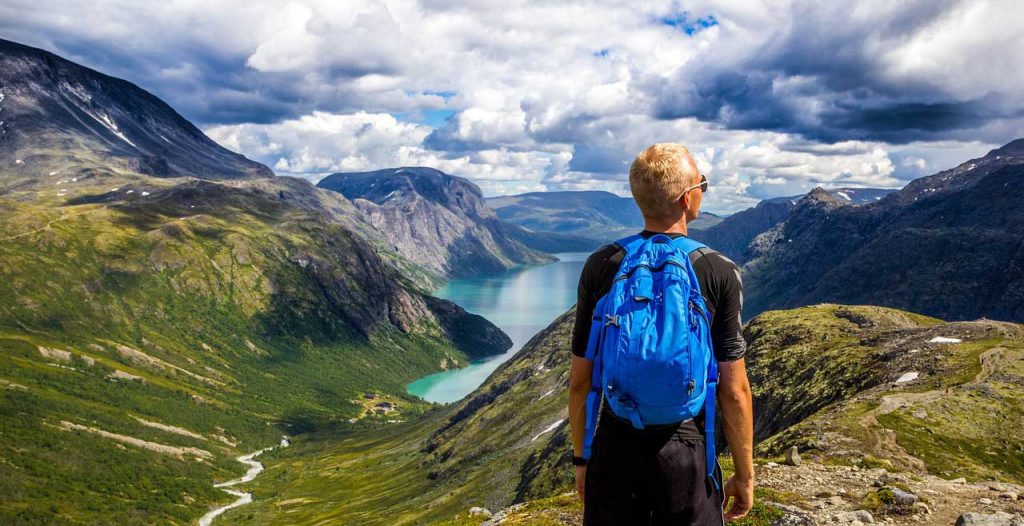
Imagine standing on the edge of a majestic fjord, surrounded by towering mountains and crystal-clear waters. The air is cool and crisp, carrying the scent of pine trees and adventure. The beauty of Norway stretches before you, inviting you to explore its enchanting landscapes and immerse yourself in its rich culture. Whether you’re a nature lover, a history buff, or simply seeking a unique travel experience, Norway has something to offer everyone.
As you embark on your journey to this Scandinavian wonderland, it’s essential to equip yourself with the right knowledge and tips to make the most of your adventure. For more detailed advice and expert insights, don’t forget to check out our comprehensive Travel Tips section. From understanding local customs to knowing the best time to visit and what to pack, these travel insights will guide you towards an unforgettable Norwegian experience. So grab your map, pack your bags, and get ready to discover the wonders of Norway.
Key Takeaways:
- Learn basic Norwegian phrases to enhance your interactions with locals.
- Consider the seasons and weather when planning your trip to Norway.
- Respect Norwegian customs, such as removing your shoes when entering a home.
- Optimize your travel experience by utilizing Norway’s excellent public transportation system.
- Immerse yourself in the natural beauty of Norway’s fjords, mountains, and Northern Lights.
Safety Tips for Traveling to Norway
Norway is known for being one of the safest countries in the world, with low crime rates. However, it’s still important to take precautions and be aware of your surroundings, especially in urban areas. Here are some essential safety tips for traveling to Norway:
1. Keep an eye on your belongings
- Be cautious of pickpocketing, especially in crowded tourist areas.
- Keep your valuables secure and be mindful of your personal belongings at all times.
2. Respect local customs
- When entering someone’s home, it is customary to remove your shoes.
- Respect noise regulations, particularly in residential areas, to maintain a peaceful atmosphere.
3. Follow safety guidelines at tourist attractions
- Adhere to any safety instructions provided at popular tourist spots to ensure a safe and enjoyable visit.
- Respect the natural environment by avoiding littering and staying on designated trails.
By following these safety tips and being mindful of local customs, you can have a worry-free and enjoyable experience exploring Norway’s tourist attractions.
| Attraction | Description |
|---|---|
| Fjords | The fjords offer awe-inspiring views and stunning landscapes. Some of the most famous fjords include the Geirangerfjord and Nærøyfjord. |
| Preikestolen (Pulpit Rock) | This iconic cliff formation offers panoramic views of the Lysefjord. It’s a challenging hike, but the reward is well worth it. |
| Trolltunga | A unique rock formation that provides a thrilling hiking experience and breathtaking views. |
| Oslo | Norway’s capital city is a vibrant hub of culture, history, and modern architecture. |
| Bergen | A charming coastal city surrounded by mountains, known for its colorful wooden houses at Bryggen. |
Best Time to Visit Norway and What to Pack
When planning your trip to Norway, it’s essential to consider the best time to visit based on your preferred activities and experiences. The country offers diverse landscapes and experiences throughout the year, each season with its own unique charm.
Summer: June to August
Summer is the peak tourist season in Norway, and for good reason. With longer daylight hours and warmer weather, it’s the perfect time for outdoor enthusiasts to explore the stunning fjords, hike the picturesque trails, and immerse themselves in the beauty of the Nordic wilderness.
During summer, you can indulge in a range of activities such as kayaking, fishing, wildlife spotting, and camping. This is also the time to witness the midnight sun phenomenon above the Arctic Circle, where the sun never fully sets, providing endless daylight hours for exploration.
Shoulder Seasons: May and September
If you prefer to avoid crowds and enjoy more affordable prices, consider visiting Norway during the shoulder seasons of May and September. These months offer pleasant weather, with milder temperatures and fewer tourists compared to the peak summer season. You’ll have the opportunity to appreciate the country’s natural beauty without the hustle and bustle.
During the shoulder seasons, you can still enjoy outdoor activities, hike the trails, and experience the charm of the Norwegian countryside. It’s also an excellent time to catch glimpses of the breathtaking Northern Lights in the northern parts of the country, such as Tromsø.
What to Pack for Norway
When packing for your trip to Norway, it’s important to be prepared for various weather conditions and outdoor adventures. Here’s a list of essential items:
- Layered clothing: Norway’s weather can change quickly, so pack clothes that can be layered for warmth and versatility.
- Waterproof jacket and pants: Protect yourself from rain showers and unpredictable weather.
- Comfortable hiking boots: Norway’s rugged terrain calls for sturdy footwear for outdoor exploration.
- Warm hat, gloves, and scarf: Keep yourself cozy during colder days.
- Sunscreen and sunglasses: Even in the cooler months, the sun can be strong, especially in the Arctic Circle.
- Swimwear: If you plan to take a dip in the fjords or visit Norway’s famous saunas.
Best Time to Visit Norway and What to Pack – Summary
In summary, the best time to visit Norway depends on your preferences and the experiences you seek. Summer offers longer days, warmer weather, and a wide range of outdoor activities. The shoulder seasons provide a quieter and more budget-friendly alternative, with pleasant weather and the possibility of witnessing the awe-inspiring Northern Lights. No matter when you choose to visit, be sure to pack accordingly with layered clothing and essential outdoor gear to make the most of your Norwegian adventure.
Getting Around Norway: Public Transportation and Driving Distances
When exploring Norway, one of the best ways to get around is through its excellent public transportation system. Whether you’re traveling within cities or venturing into the stunning countryside, Norway offers a network of trains, buses, and ferries that make getting from one place to another convenient and hassle-free.
By utilizing Norway’s public transportation, you not only have the opportunity to relax and enjoy the breathtaking scenery but also reduce the stress of navigating unfamiliar roads or worrying about parking. This allows you to fully immerse yourself in the beauty and charm of Norway without the distractions of driving.
In addition, public transportation in Norway is known for its efficiency, reliability, and affordability. The trains connect major cities and offer comfortable interiors, scenic routes, and convenient schedules. The buses cover both short and long distances, reaching even the most remote areas of the country. And the ferries provide a unique experience as you traverse the stunning fjords and explore the coastal regions.
To make your journey even more seamless, there are several Norwegian bus apps available for purchasing tickets. These apps not only allow you to conveniently buy tickets from your smartphone but also often offer discounted prices compared to purchasing them with cash.
Whether you’re traveling for leisure or business, Norway’s public transportation system is a reliable and accessible way to explore the country. So sit back, relax, and let the transportation take you on an unforgettable journey through the captivating landscapes of Norway.
Driving Distances in Norway
If you prefer the flexibility and independence of driving, Norway’s well-maintained roads are a great option. However, it’s essential to plan accordingly, as the vastness and diverse landscapes of Norway can result in long driving distances.
Here are some approximate driving distances between popular destinations in Norway:
| From | To | Approximate Driving Distance (in kilometers) |
|---|---|---|
| Oslo | Bergen | 496 km |
| Oslo | Tromsø | 1,550 km |
| Bergen | Stavanger | 189 km |
| Stavanger | Tromsø | 2,263 km |
| Bergen | Trondheim | 497 km |
These distances are approximate and may vary depending on the specific route taken and any detours along the way. It’s important to note that driving in Norway can be challenging due to the terrain, weather conditions, and occasional narrow and winding roads. So make sure to plan your driving routes carefully and allow for extra travel time.
Top Attractions and Must-See Places in Norway
Norway, with its breathtaking landscapes and picturesque towns, offers a myriad of top attractions and must-see places that are sure to leave you in awe. Whether you’re an outdoor enthusiast seeking adventure or a culture lover exploring charming cities, Norway has something for everyone.
Fjords: Geirangerfjord and Nærøyfjord
When it comes to Norway’s natural wonders, the fjords are the crown jewels. Among the most famous are the Geirangerfjord and Nærøyfjord, both recognized as UNESCO World Heritage Sites. These majestic waterways showcase towering cliffs, cascading waterfalls, and serene landscapes that will take your breath away. Embark on a scenic cruise to truly immerse yourself in the beauty of these extraordinary fjords.
Hiking Destinations: Preikestolen (Pulpit Rock) and Trolltunga
If you’re a hiking enthusiast, Norway presents two iconic destinations that offer unparalleled vistas. The Preikestolen, also known as Pulpit Rock, stands proudly above the Lysefjord and rewards hikers with panoramic views of the surrounding fjord and mountains. Another must-see is Trolltunga, a dramatic rock formation jutting out over Lake Ringedalsvatnet, providing an incredible vantage point for capturing the stunning Norwegian landscape.
Cities: Oslo and Bergen
No visit to Norway is complete without exploring its charming cities. The capital city, Oslo, seamlessly blends cosmopolitan vibes with natural beauty. Visit cultural landmarks like the Viking Ship Museum and the iconic Oslo Opera House, or venture into the surrounding forests and explore the famous sculpture park, Vigeland Park.
Bergen, on the other hand, enchants visitors with its vibrant waterfront, colorful wooden houses in Bryggen, and a rich Hanseatic history. Take a stroll through the UNESCO-listed Bryggen Wharf, visit the famous fish market, and ride the funicular to Mount Fløyen for breathtaking views of the city and fjords.
Lofoten Islands
The Lofoten Islands, located above the Arctic Circle, are a must-visit destination for nature lovers and photographers. Known for their dramatic mountains, pristine beaches, and picturesque fishing villages, the Lofoten Islands offer endless opportunities for hiking, wildlife spotting, and immersing yourself in the unique coastal culture of northern Norway.
Northern Lights in Tromsø
Tromsø, often referred to as the “Gateway to the Arctic,” is one of the best places to witness the mesmerizing Northern Lights. During winter, when the nights are long and the sky is clear, you’ll have the chance to behold the dancing colors of the Aurora Borealis. Take a guided tour or venture out on your own to experience this breathtaking natural phenomenon.

| Top Attractions | Description |
|---|---|
| Geirangerfjord | A UNESCO World Heritage Site with stunning cliffs and waterfalls. |
| Nærøyfjord | Another UNESCO World Heritage Site known for its natural beauty. |
| Preikestolen (Pulpit Rock) | A popular hiking destination offering panoramic views over Lysefjord. |
| Trolltunga | A dramatic rock formation known for its breathtaking vistas. |
| Oslo | Norway’s capital city, blending modernity with natural splendor. |
| Bergen | A charming city filled with colorful wooden houses and Hanseatic history. |
| Lofoten Islands | An archipelago offering stunning landscapes and authentic coastal culture. |
| Tromsø | A gateway to the Arctic and a prime location for viewing the Northern Lights. |
Norwegian Culture and Local Customs
When traveling to Norway, it’s essential to respect the local customs and traditions. The Norwegian culture is deeply rooted in nature and outdoor activities, and Norwegians value personal space and privacy.
One of the first things to remember is to keep a distance when interacting with others. Norwegians appreciate their personal space, so it’s common to maintain a respectful distance during conversations and interactions.
Additionally, it’s customary to remove your shoes when entering someone’s home. This practice is a sign of respect and helps keep the indoor environment clean and tidy.
Norwegians are renowned for their love of nature and the great outdoors. When exploring the stunning landscapes of Norway, it’s crucial to respect the environment. Follow the Leave No Trace principles to minimize your impact on the natural surroundings.
- Always pack out your trash and dispose of it properly in designated bins or recycling facilities.
- Stay on designated trails to avoid damaging vegetation and wildlife habitats.
- Be mindful of wildlife and maintain a safe distance to ensure their well-being.
Celebrating Norwegian Customs and Traditions
Throughout the year, Norway celebrates various cultural events and festivals that showcase the nation’s traditions and heritage.
One of the most well-known celebrations is Syttende Mai, Norway’s Constitution Day, which takes place on May 17th. This vibrant and joyful occasion commemorates the signing of the Norwegian Constitution in 1814. Colorful parades, traditional costumes (bunads), and lively festivities can be seen in cities and towns across the country.
Another distinctive event is the Midsummer’s Eve (Jonsok), which occurs on June 23rd. Norwegians gather around bonfires, sing songs, and enjoy traditional food and drinks to celebrate the arrival of summer.
To fully immerse yourself in Norwegian culture, consider participating in local customs and traditions during your visit. Engaging with the locals, trying traditional dishes, and attending cultural events will provide you with a deeper understanding of the Norwegian way of life.

Traditional Norwegian Cuisine
No exploration of a country’s culture is complete without experiencing its traditional cuisine. Norway offers a range of unique and flavorful dishes that reflect its geographical diversity and maritime heritage.
One iconic Norwegian dish is lutefisk, which is dried fish that is rehydrated and served with potatoes, white sauce, and bacon. Other popular dishes include rakfisk (fermented fish), rømmegrøt (sour cream porridge), and fårikål (mutton stew).
Seafood is also a significant part of Norwegian cuisine, with salmon, cod, and shrimp being staples in many dishes. Smoked salmon (røkt laks) and gravlaks (cured salmon) are particularly delicious and can be enjoyed on their own or in sandwiches.
To experience the variety of flavors that Norway has to offer, visit local markets and restaurants to savor traditional Norwegian cuisine. Trying new dishes and flavors will enhance your cultural experience and create lasting memories.
| Dish | Description |
|---|---|
| Lutefisk | Dried fish rehydrated and served with potatoes, white sauce, and bacon. |
| Rakfisk | Fermented fish typically served with flatbread, sour cream, and onions. |
| Rømmegrøt | Sour cream porridge often topped with cinnamon, sugar, and melted butter. |
| Fårikål | Mutton stew made with cabbage, potatoes, and whole black peppercorns. |
| Røkt laks | Smoked salmon, often enjoyed on its own or in sandwiches. |
| Gravlaks | Cured salmon traditionally seasoned with dill and served with mustard sauce. |
Conclusion
Norway offers a mesmerizing travel experience that combines breathtaking landscapes, rich cultural heritage, and warm hospitality. By following these essential travel tips, you can ensure a seamless and unforgettable journey in the Land of the Midnight Sun. Whether you are exploring the majestic fjords, hiking to scenic viewpoints, or immersing yourself in the local customs, Norway promises an adventure unlike any other.
Remember to plan your itinerary carefully, taking into account the best time to visit and the activities you wish to pursue. Norway’s safety record and efficient public transportation system make it easy to explore the country with peace of mind. By respecting the environment and embracing the local customs, you can fully immerse yourself in the natural beauty and cultural wonders that Norway has to offer.
So pack your bags, embark on an exploration of Norway’s stunning landscapes, and let the beauty of this Scandinavian gem captivate your senses. From the vibrant cities and charming towns to the awe-inspiring fjords and the magical Northern Lights, Norway truly has it all. Get ready for an adventure of a lifetime as you uncover the wonders of this extraordinary country.